Facade applications
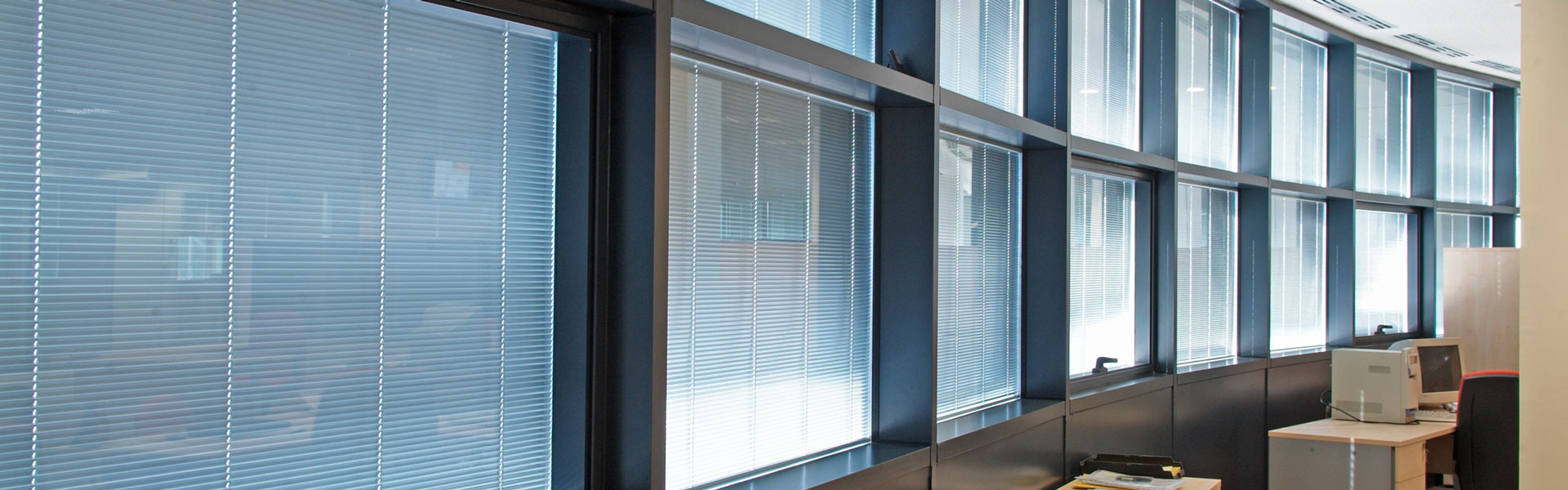
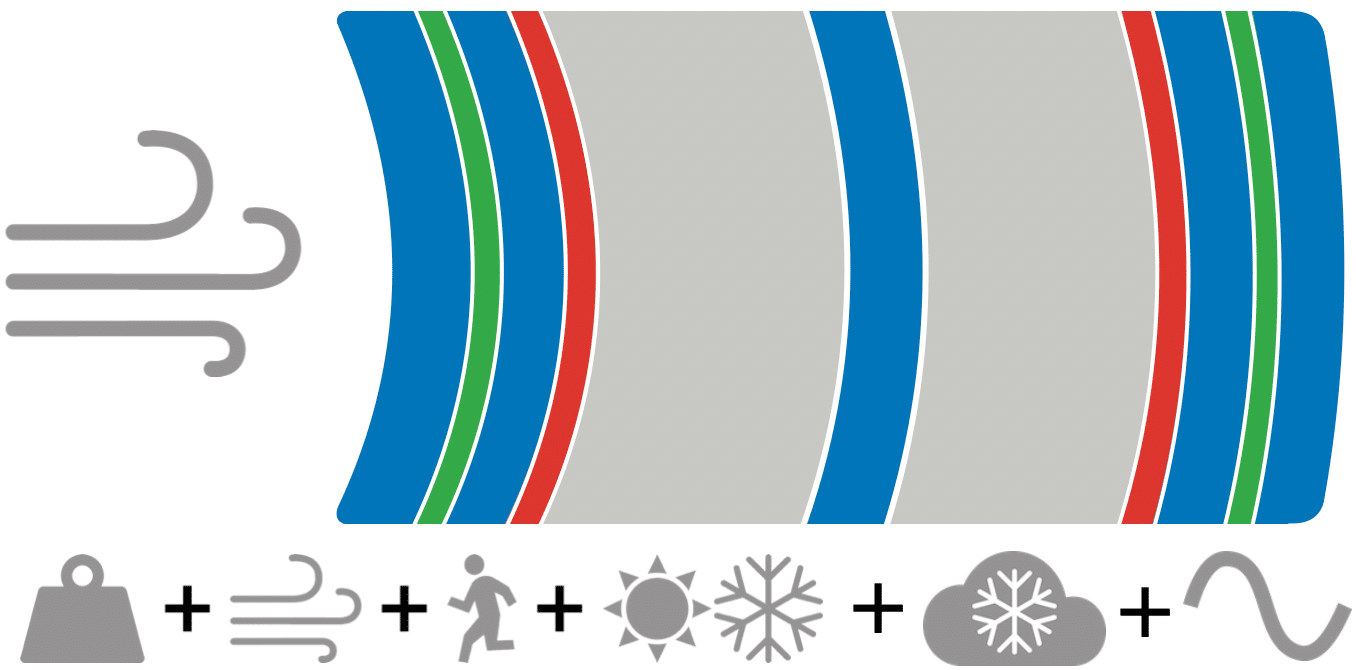
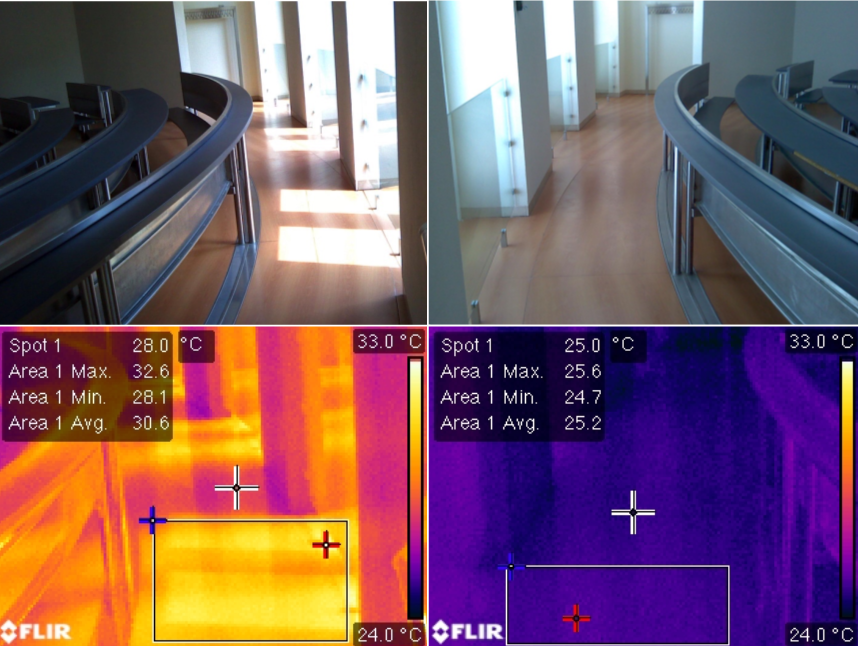
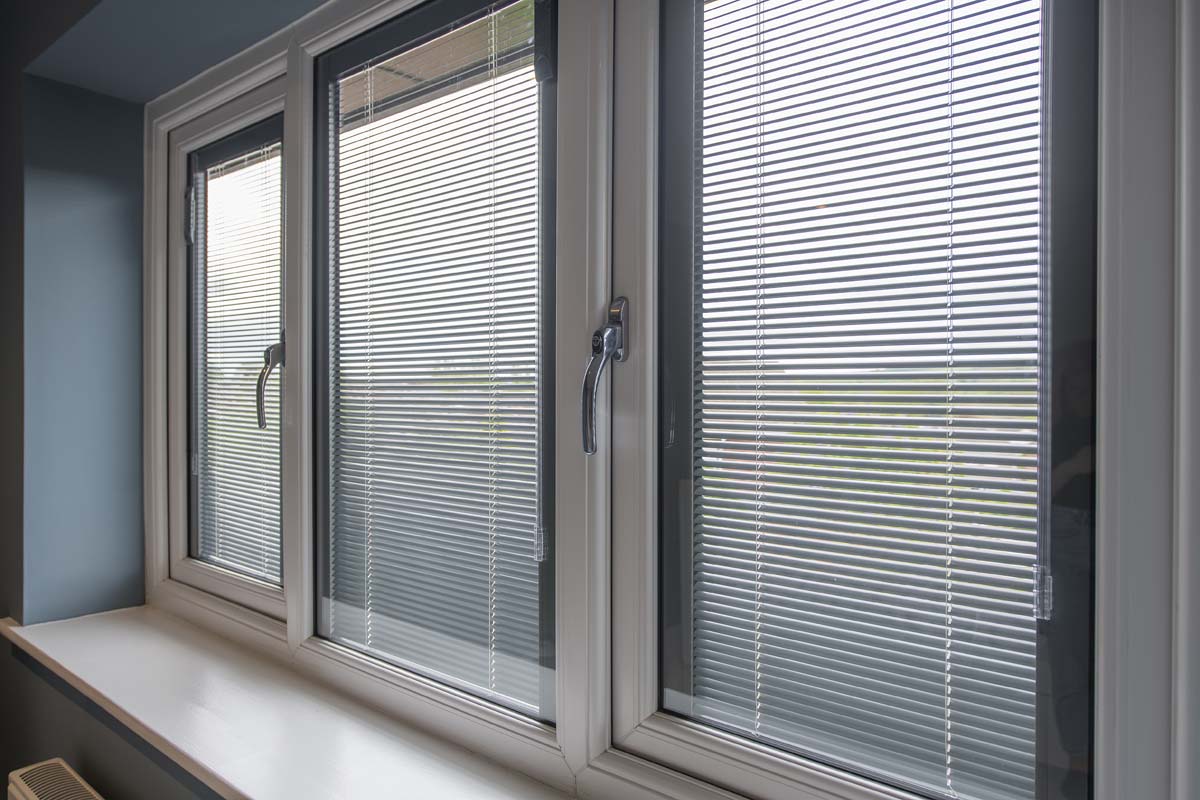
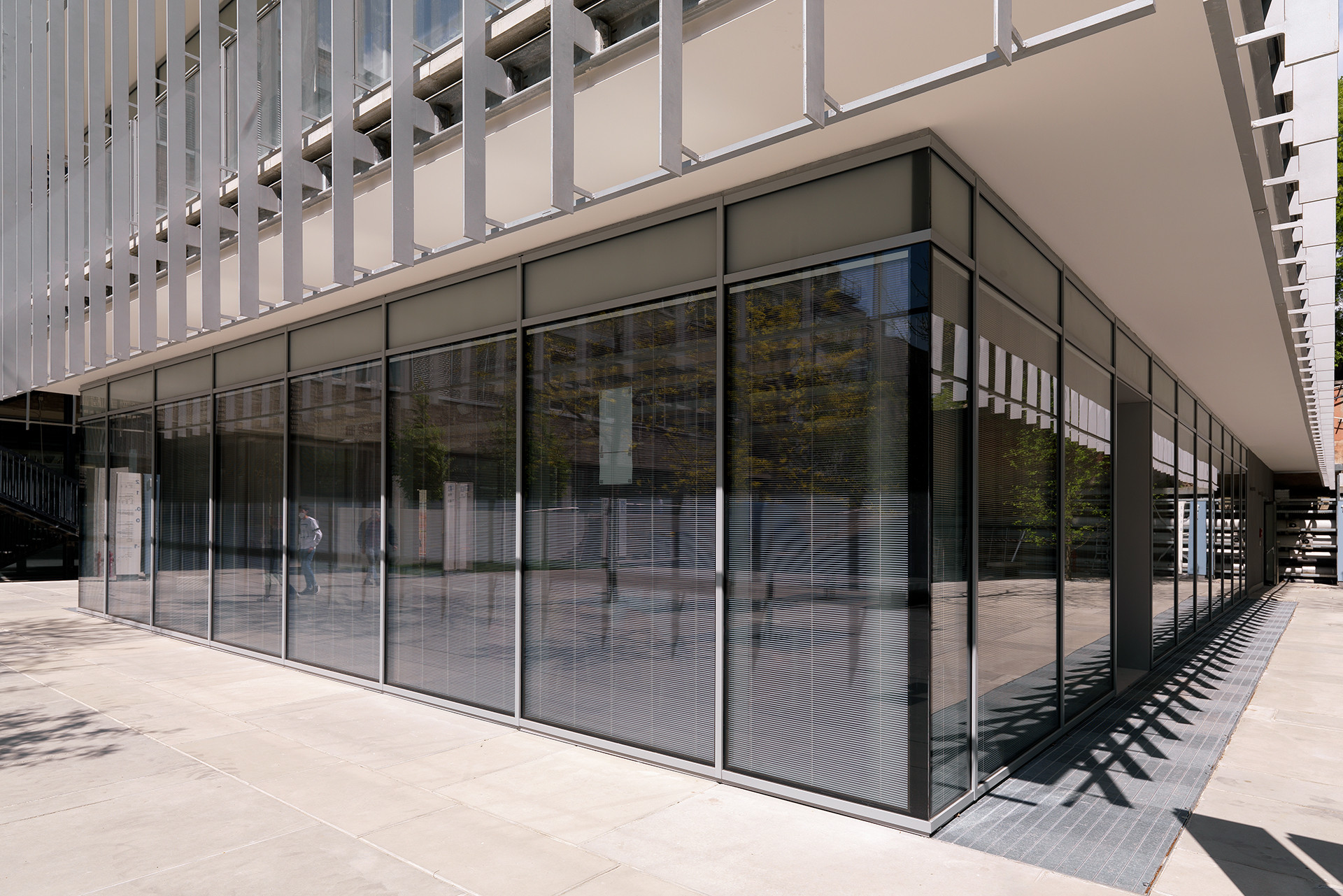
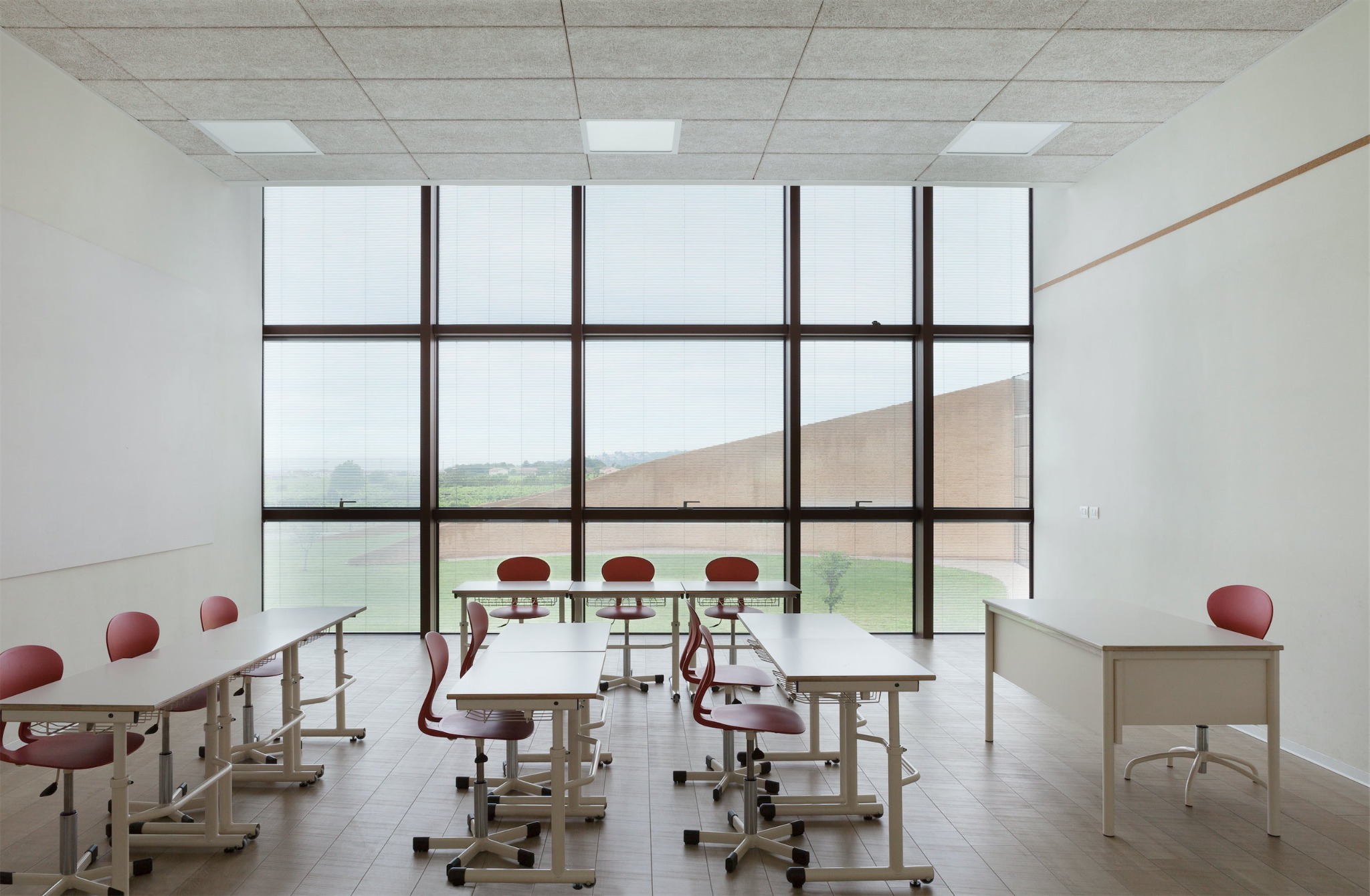
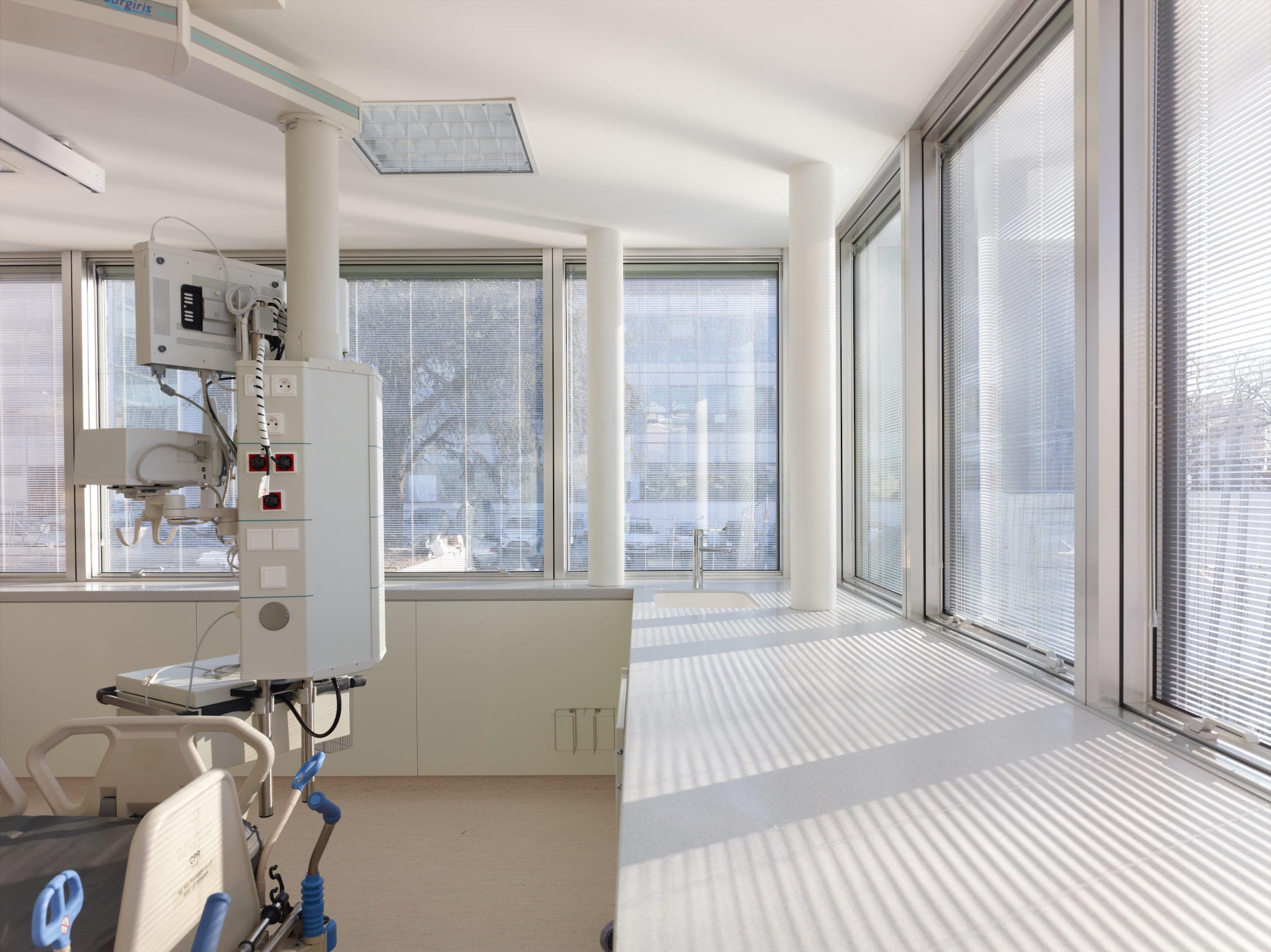
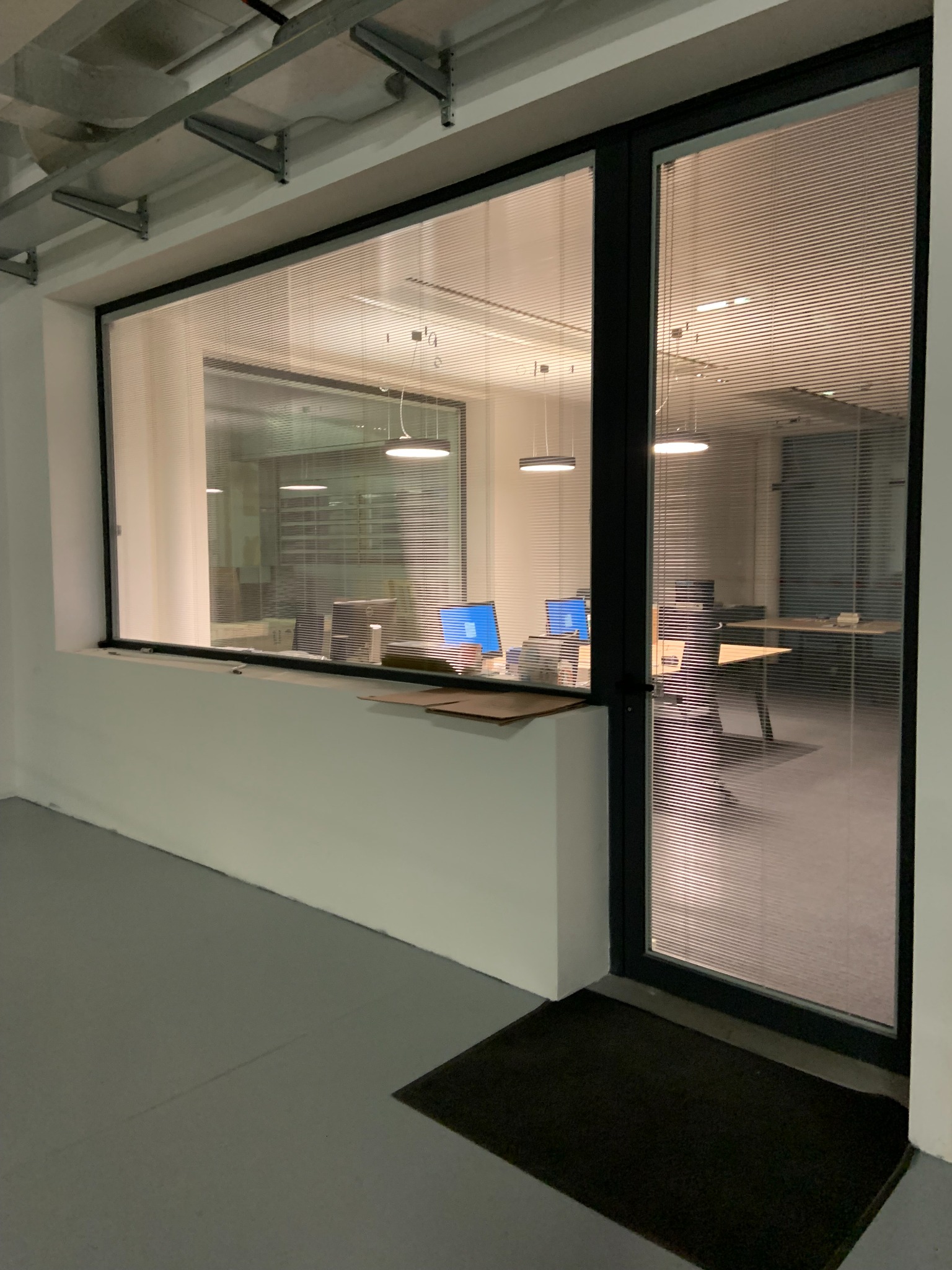
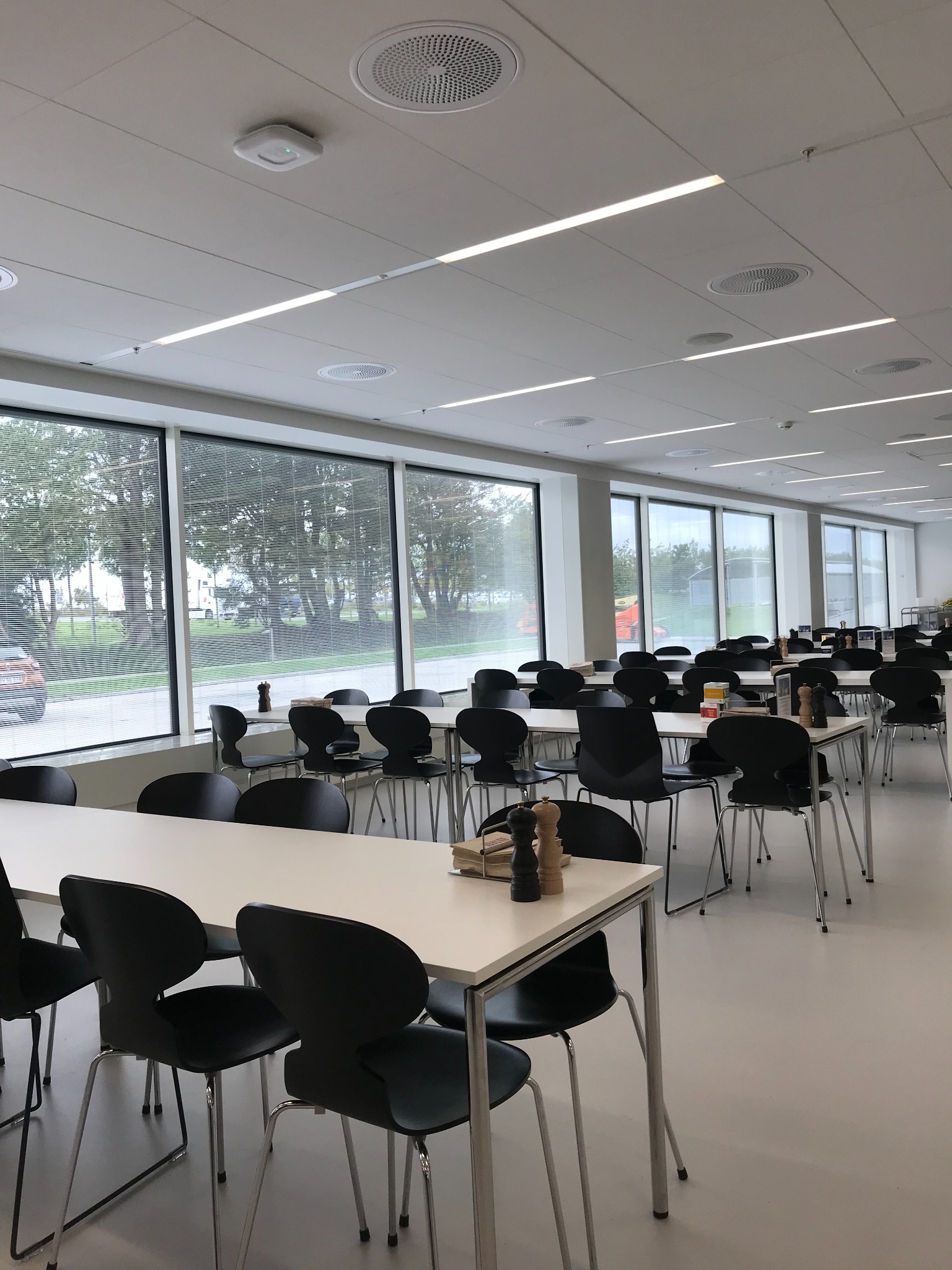
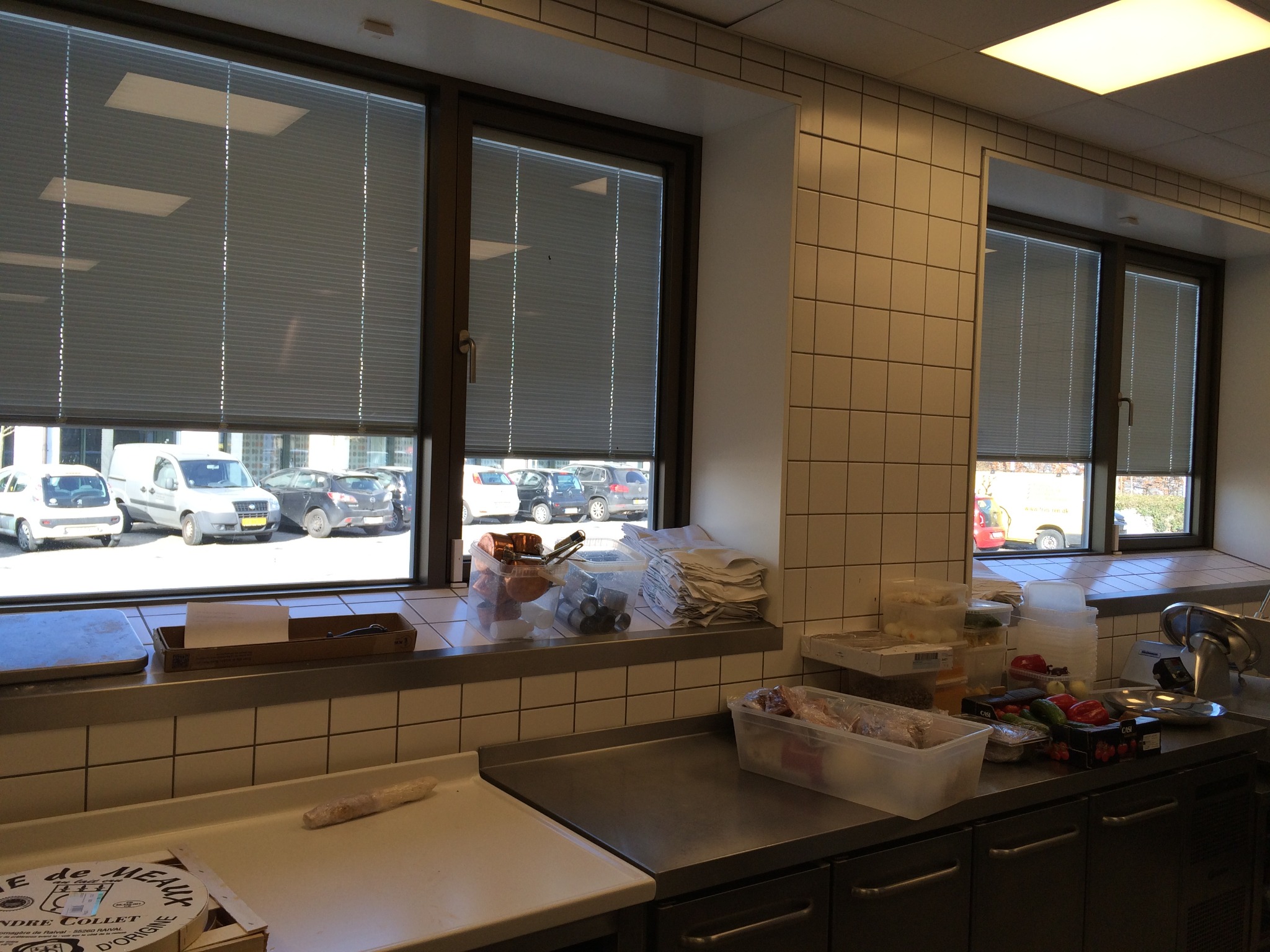
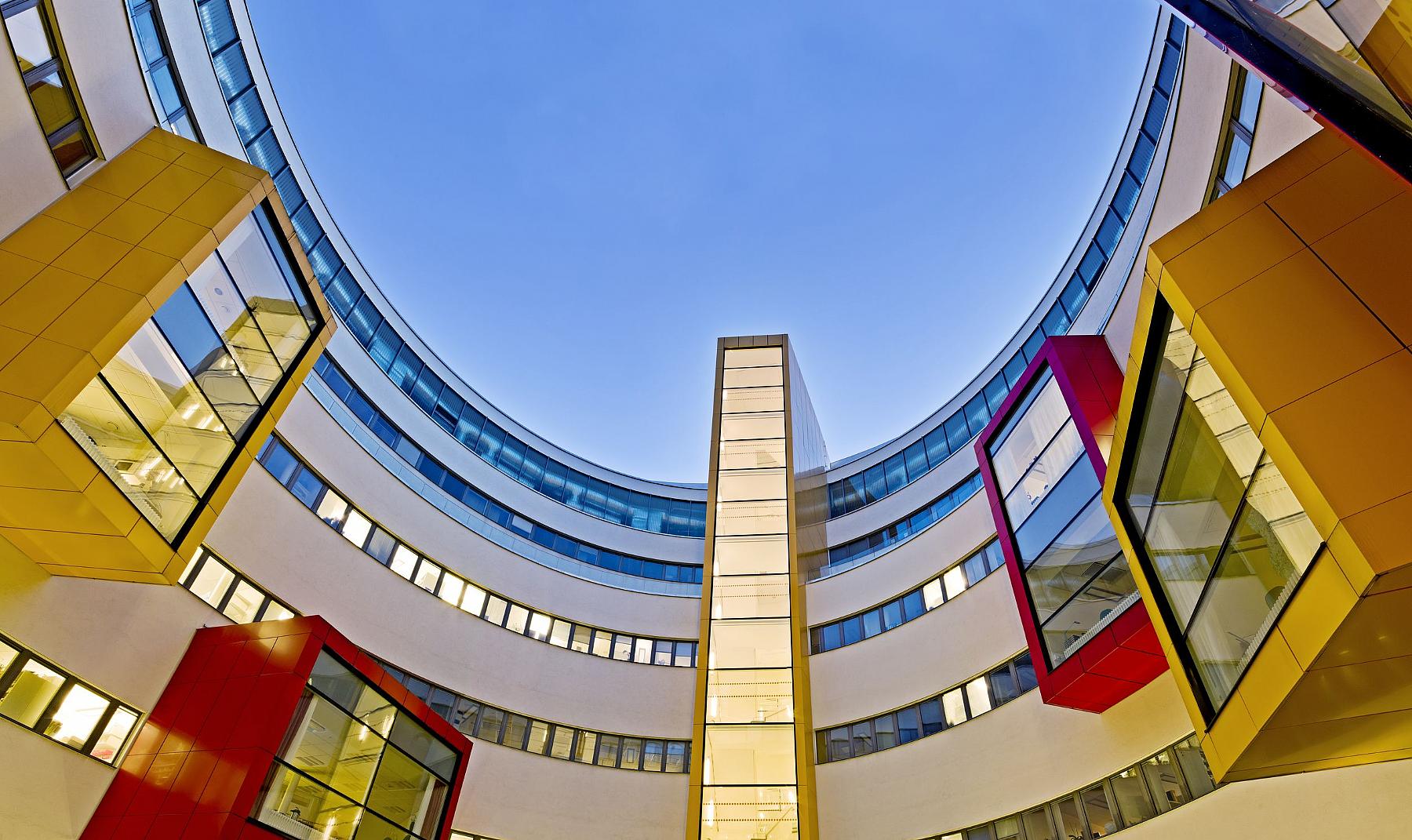
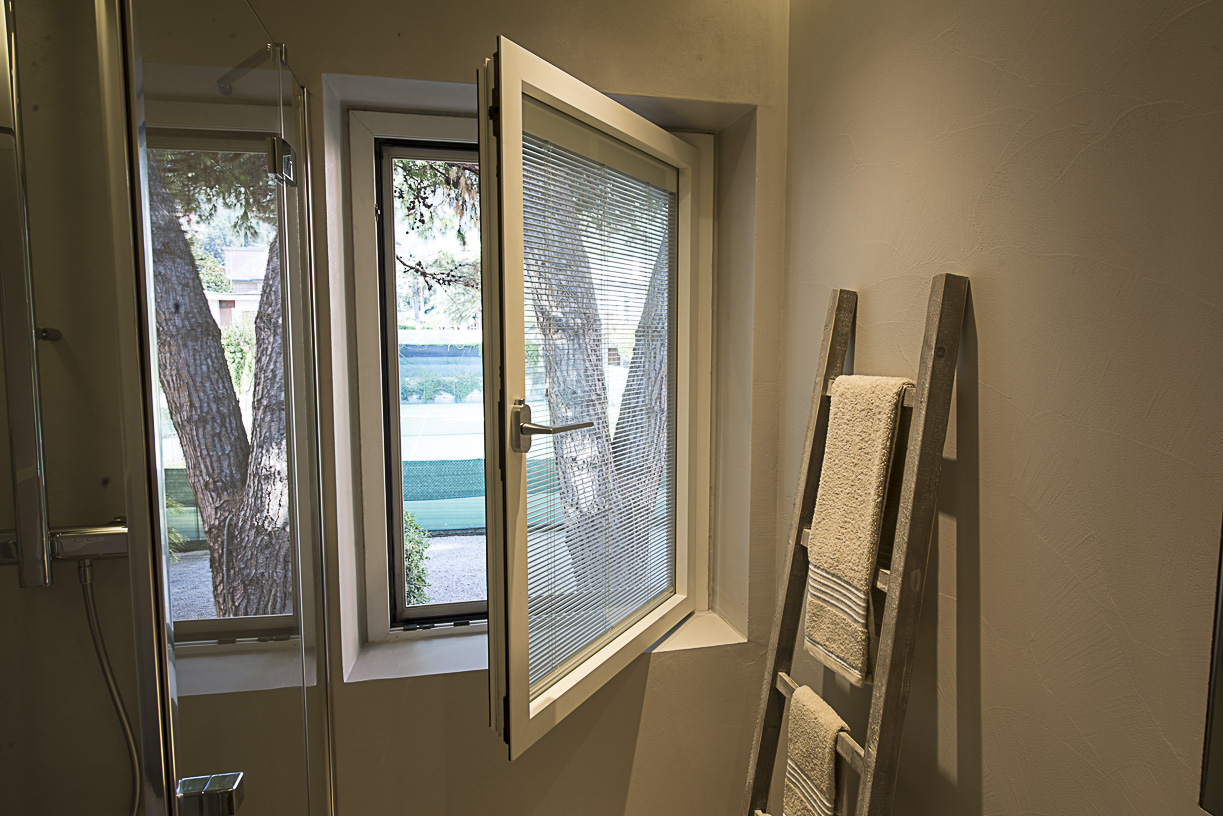
Adjustable slats can redirect and diffuse natural daylight into the interior while reducing glare and giving occupants control over privacy and views. Electrochromic glass changes the tint of the pane; an integrated blind adjusts the light without changing the glass itself. Protected inside the glazing unit, the blind is not directly exposed to wind, frost or rain—conditions that can limit the use of some external shading systems. ScreenLine can also be specified for CCF (Closed Cavity Façade) systems, subject to the project’s façade design.
Interior application
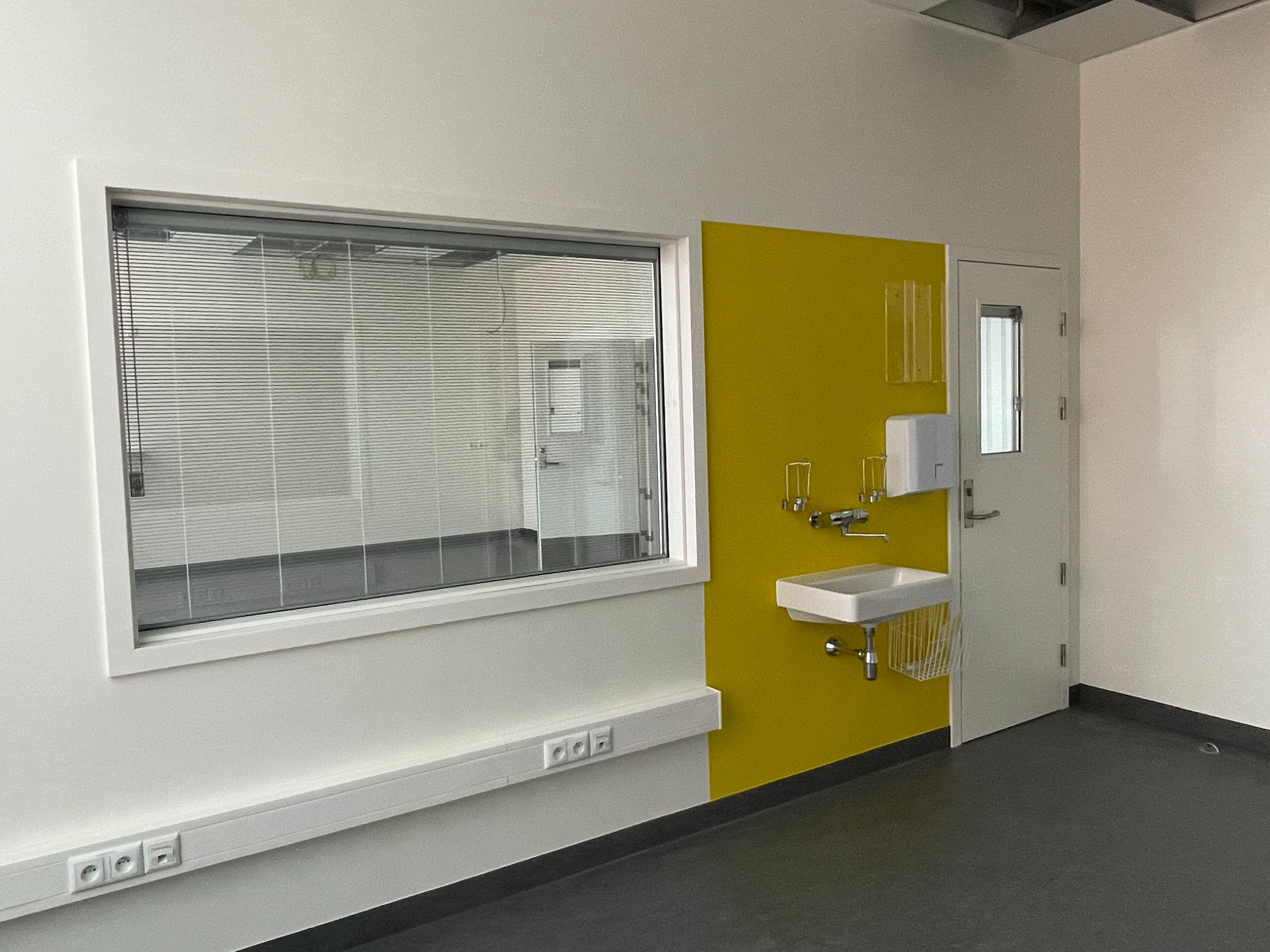
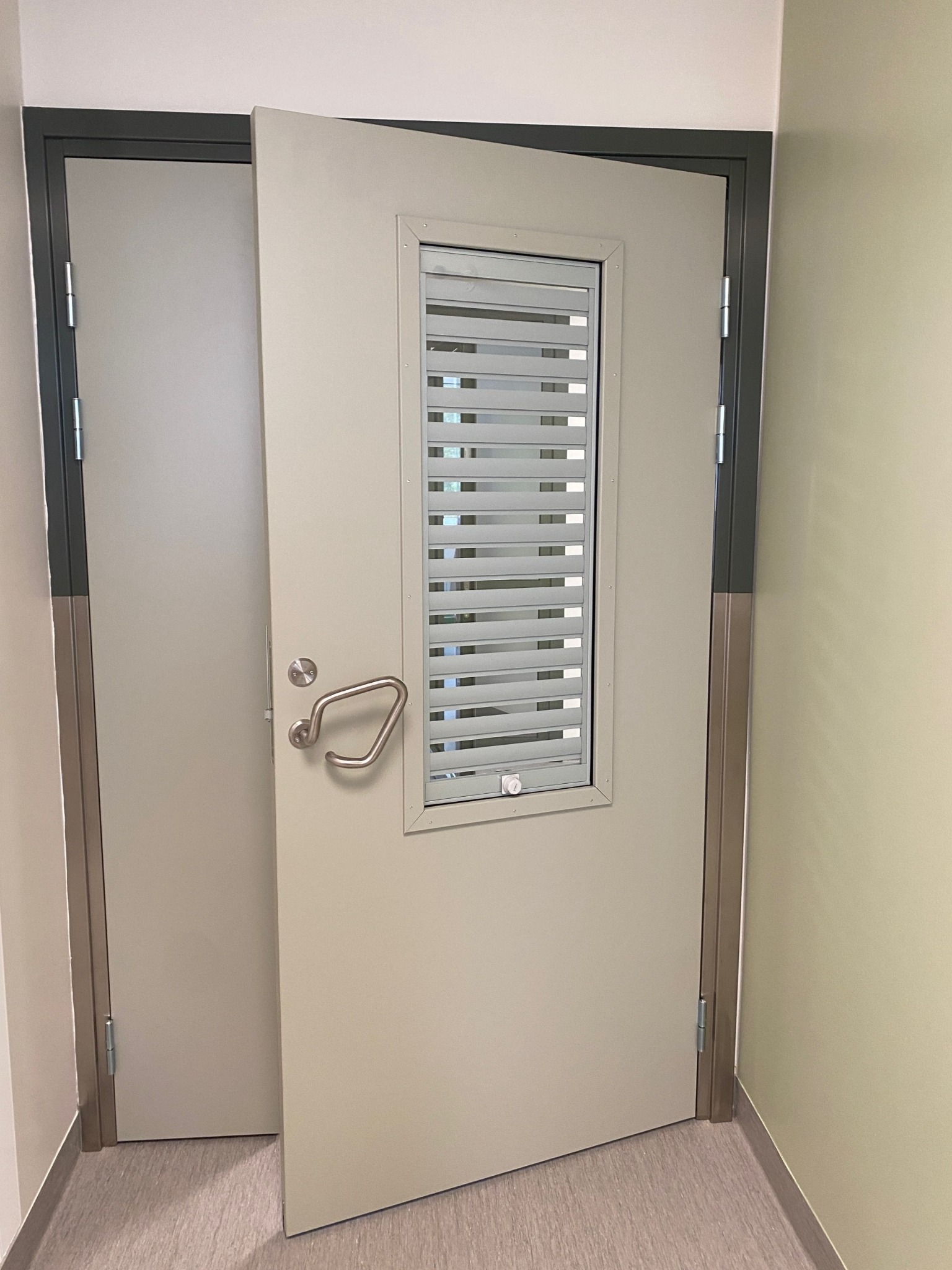
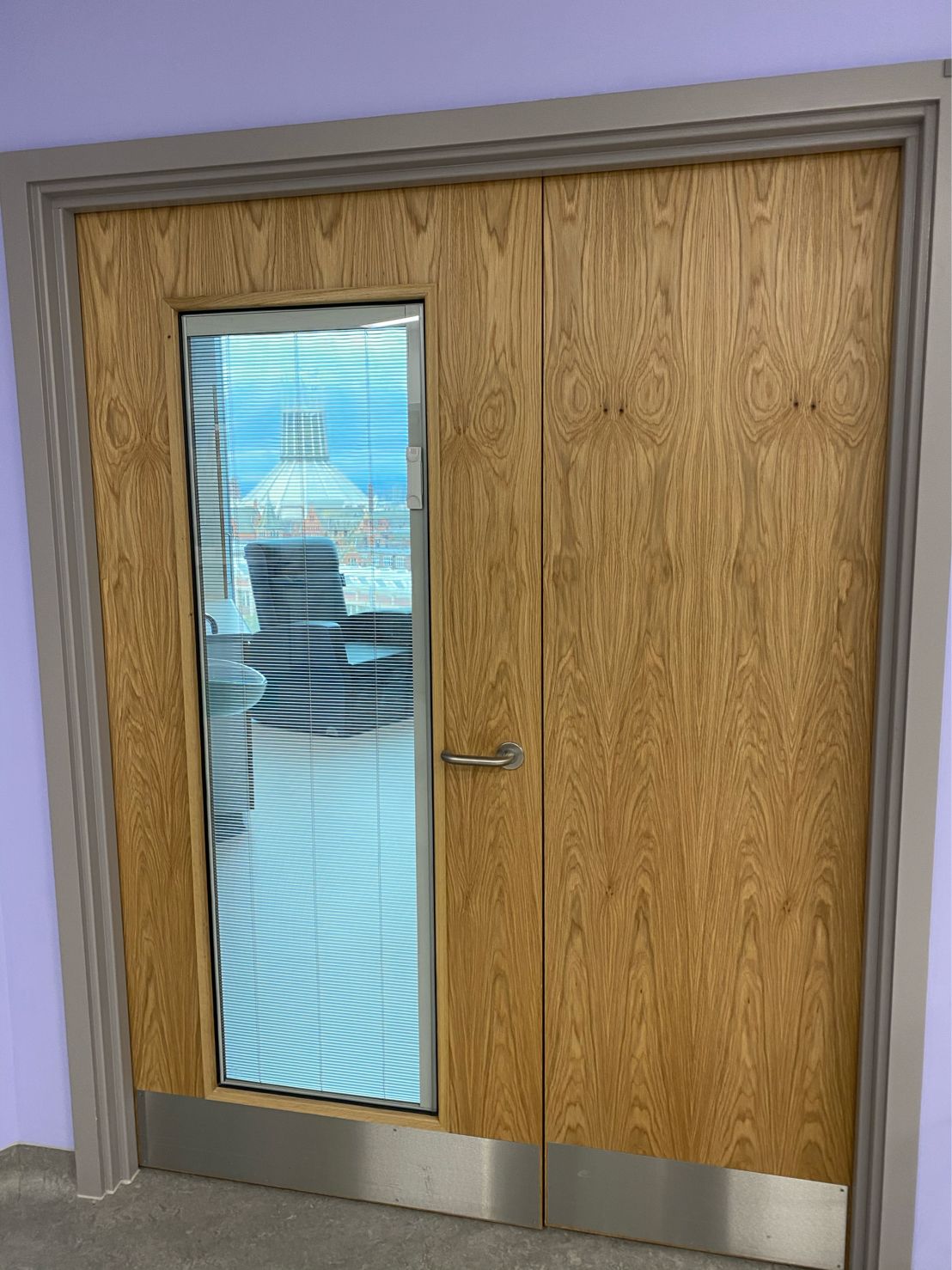
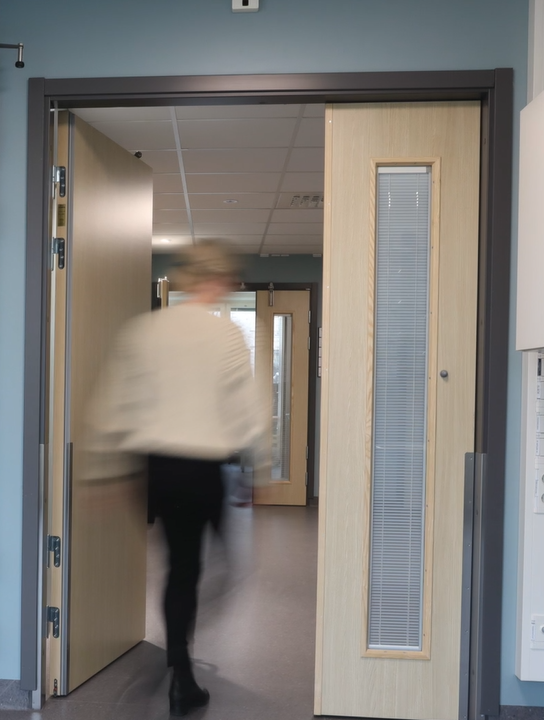
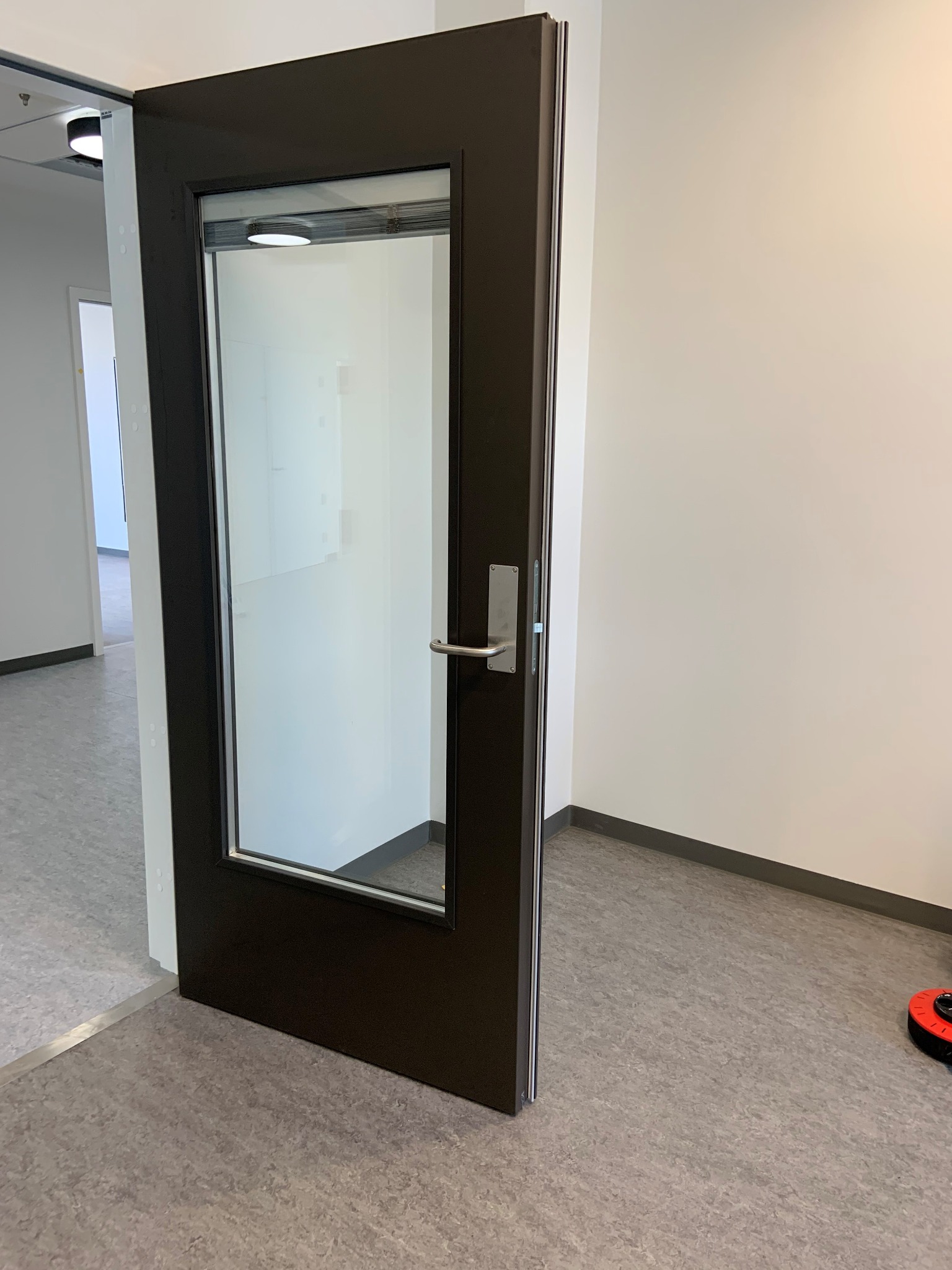
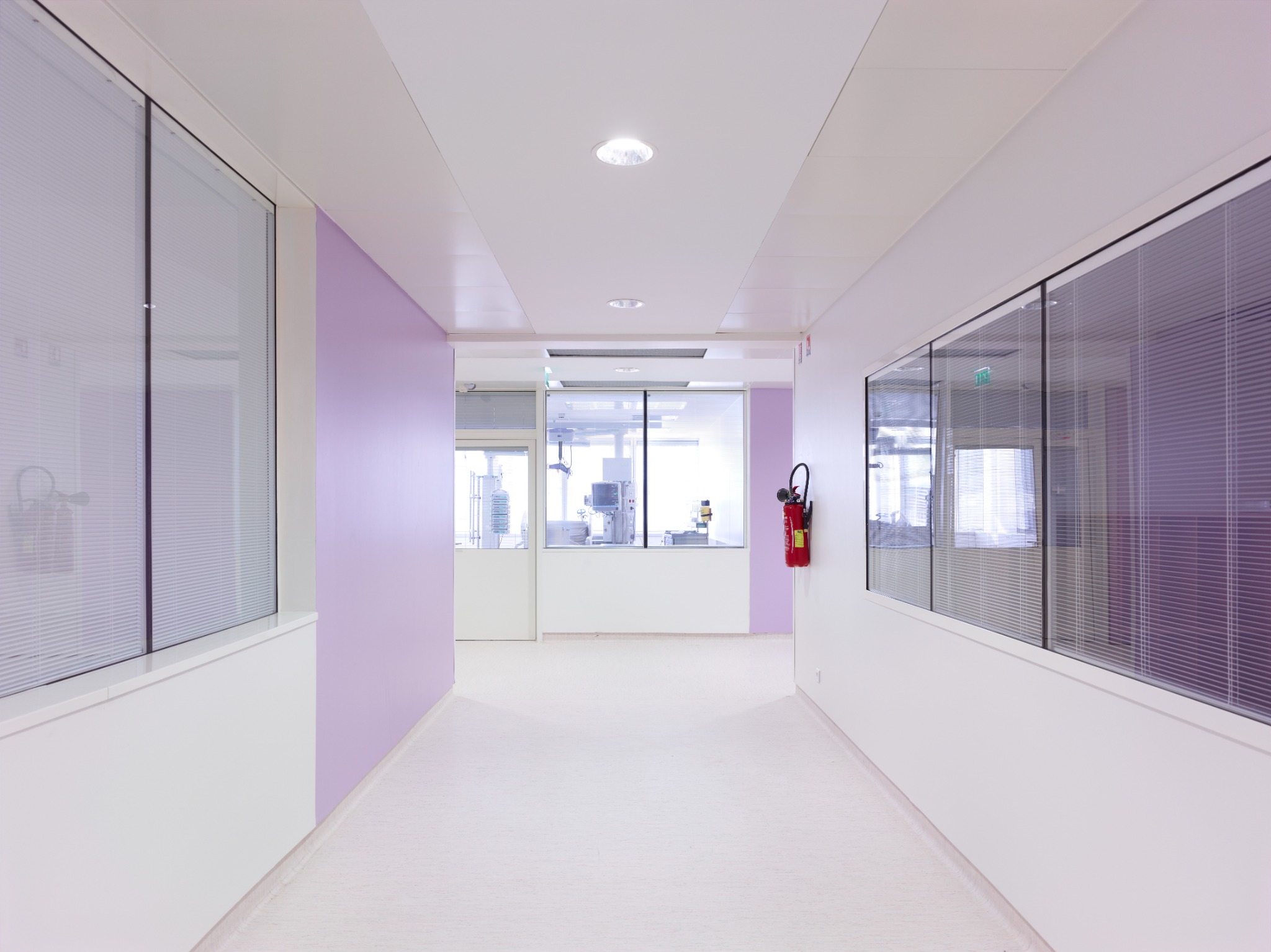
In healthcare settings, glazed doors and partitions can bring daylight into corridors and help staff maintain visibility into rooms. Integrated blinds make it possible to adjust the view when patients need privacy. The balance between observation, visual comfort and discretion can be tailored to patient rooms, treatment areas and other interior spaces.
Private housing
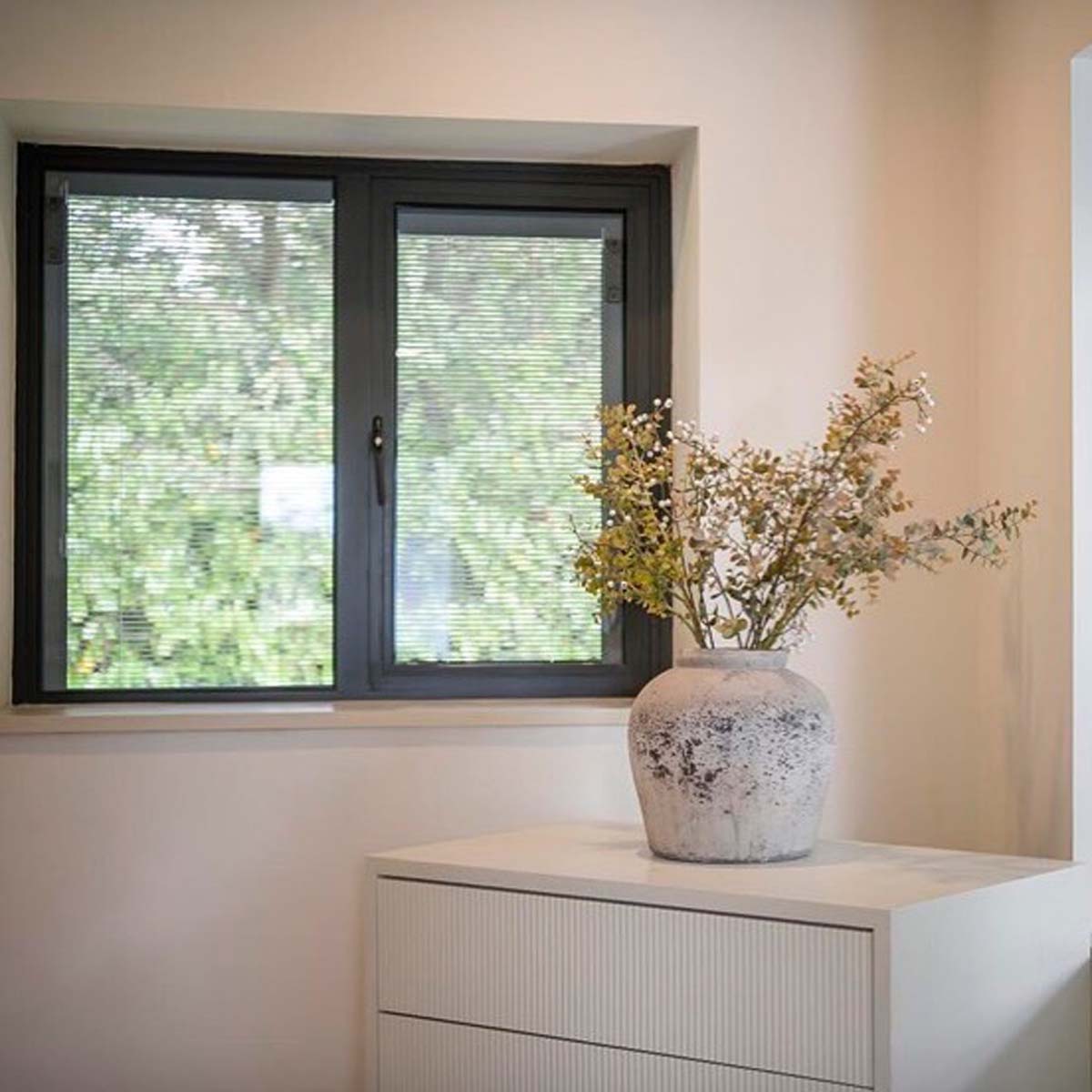
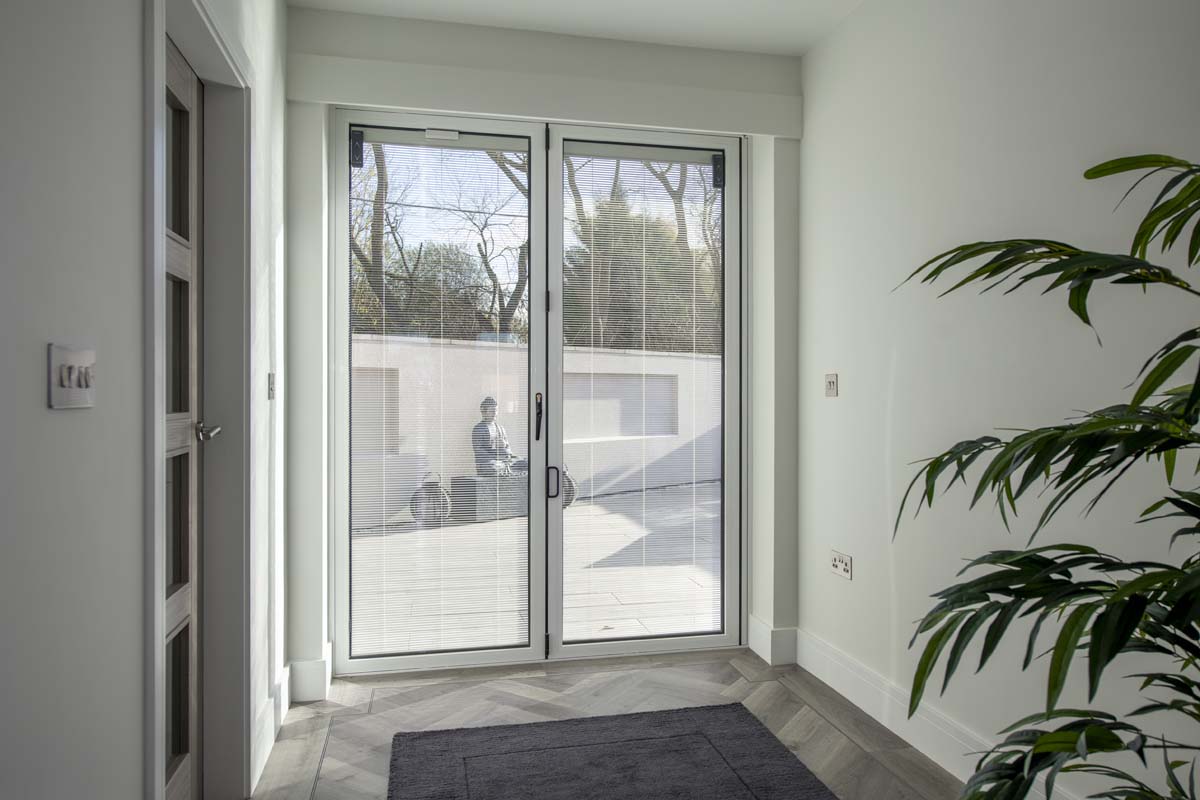
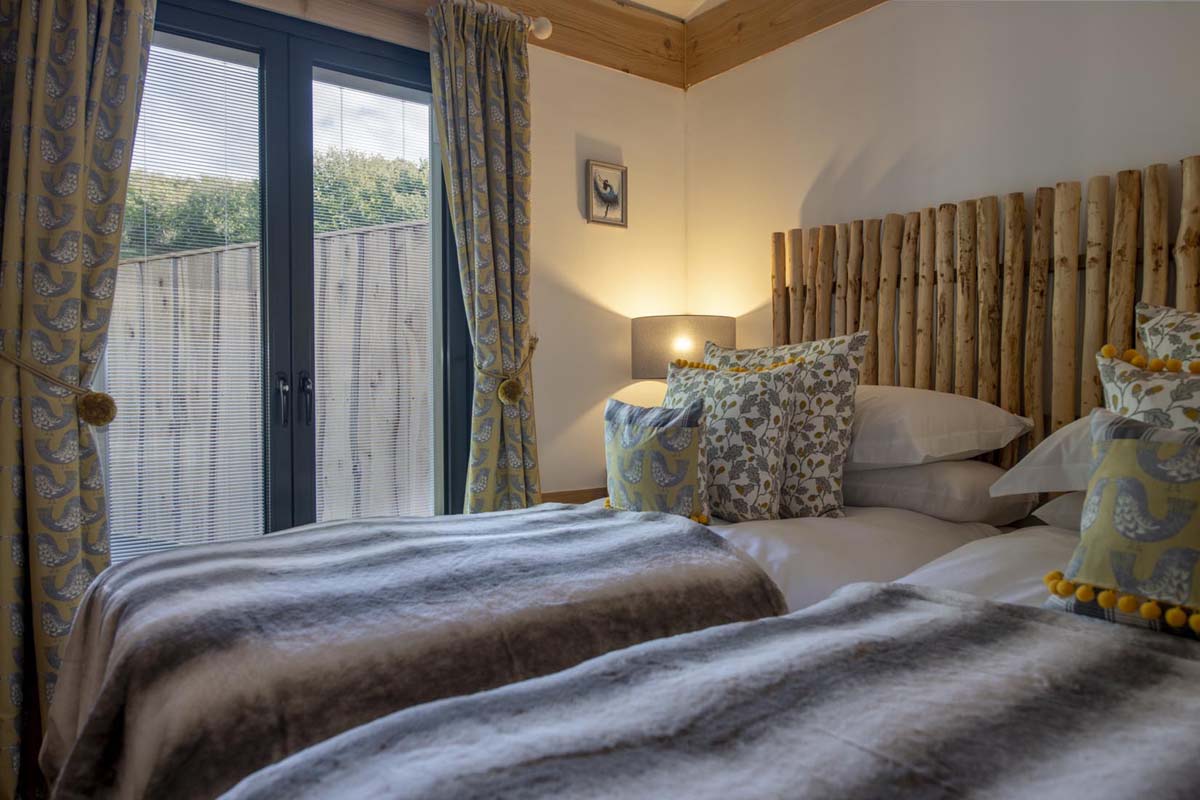
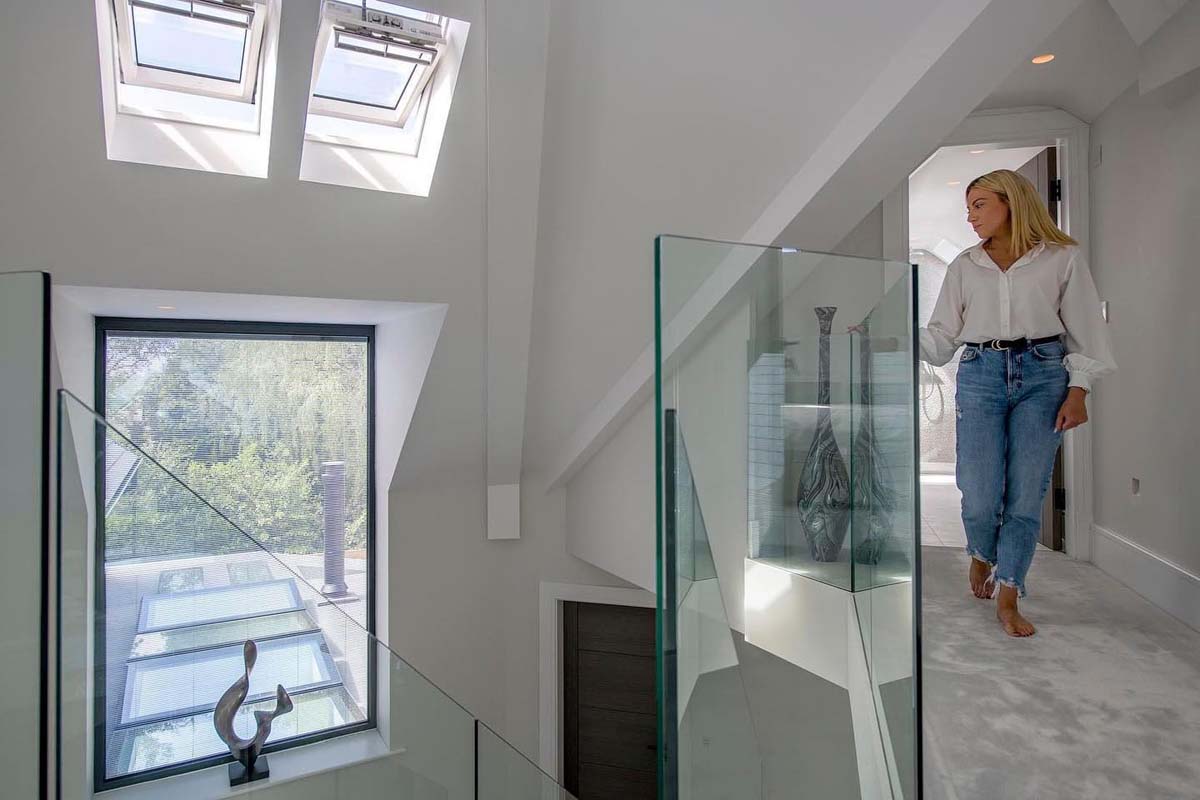
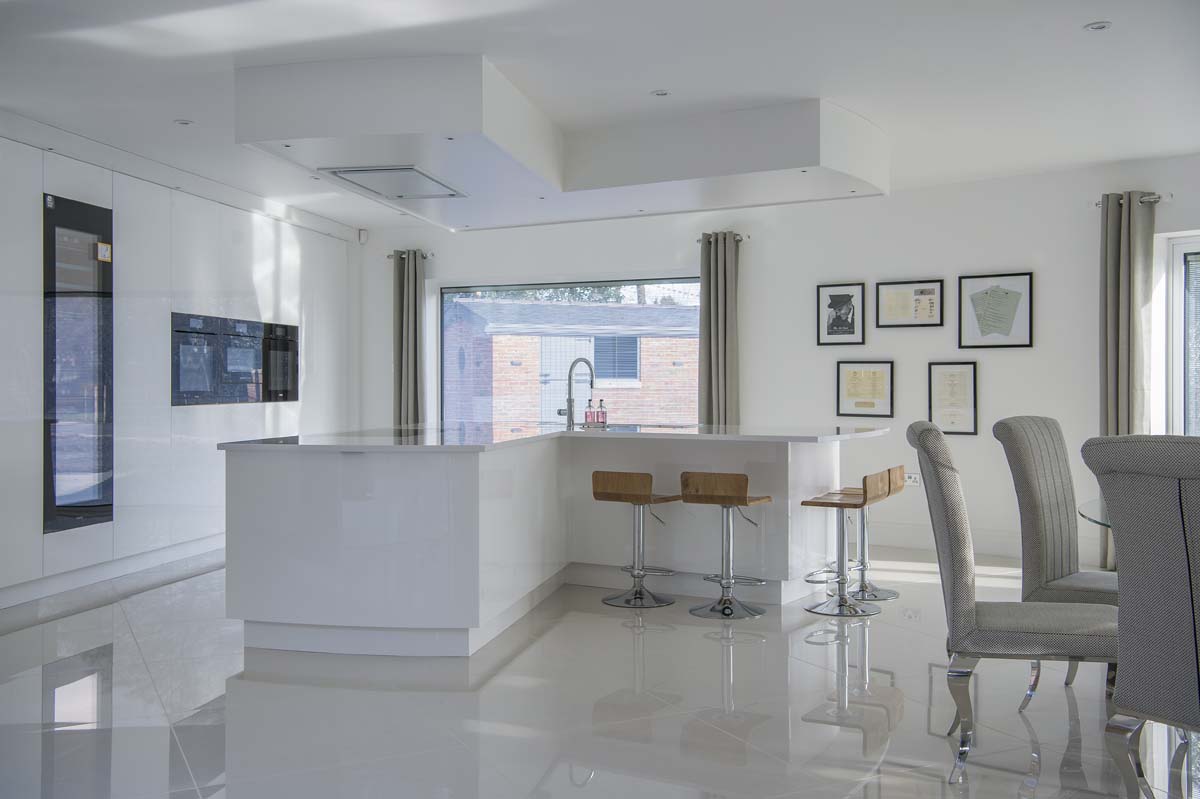
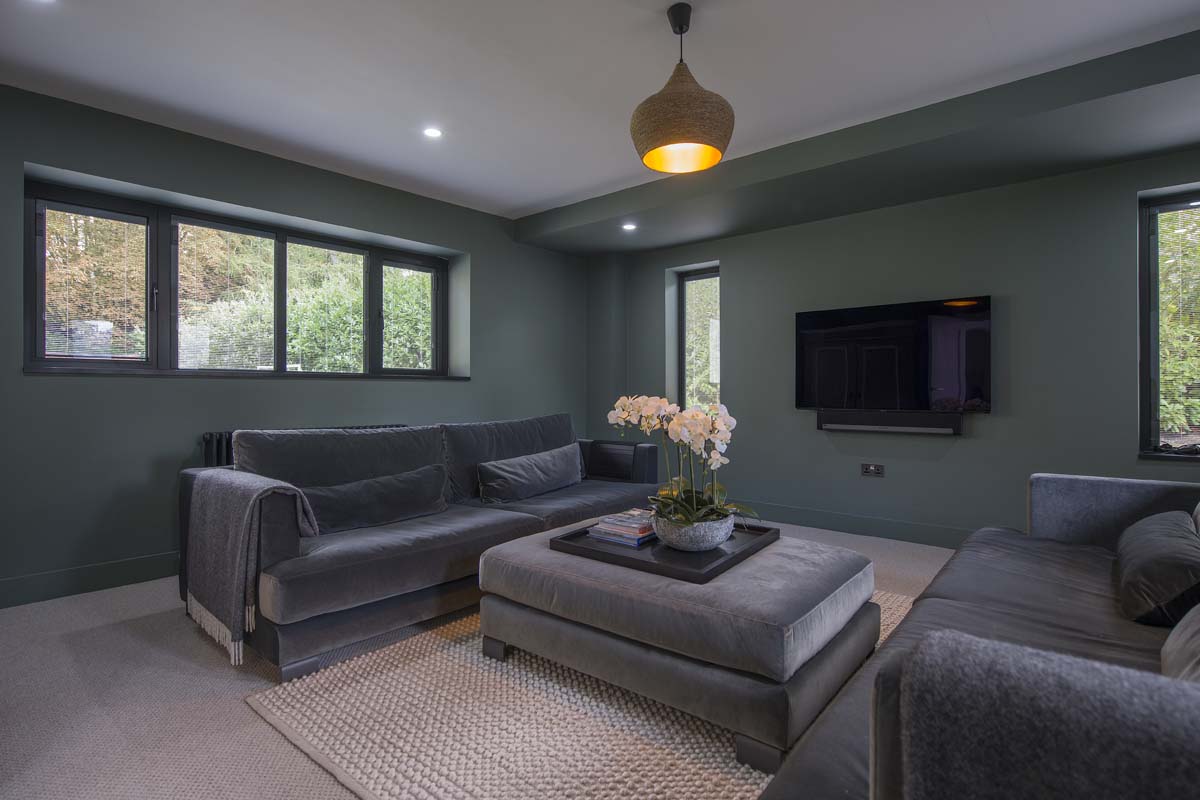
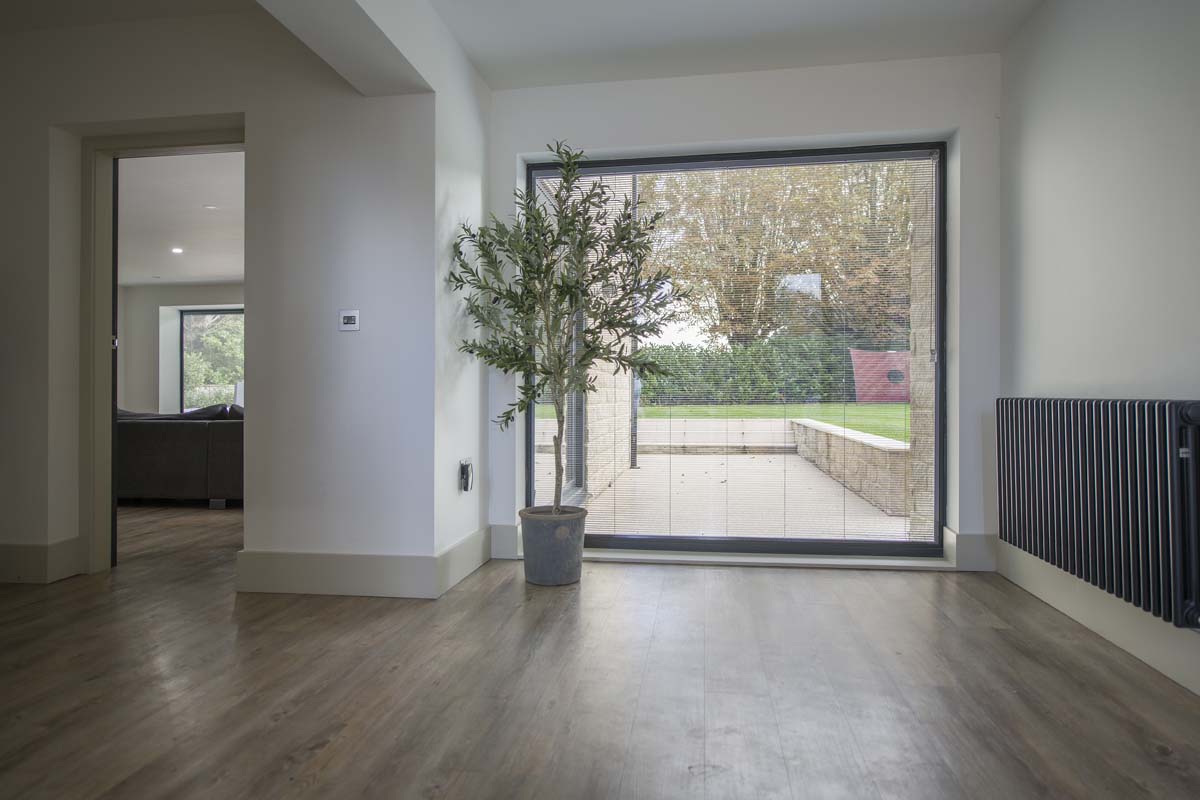
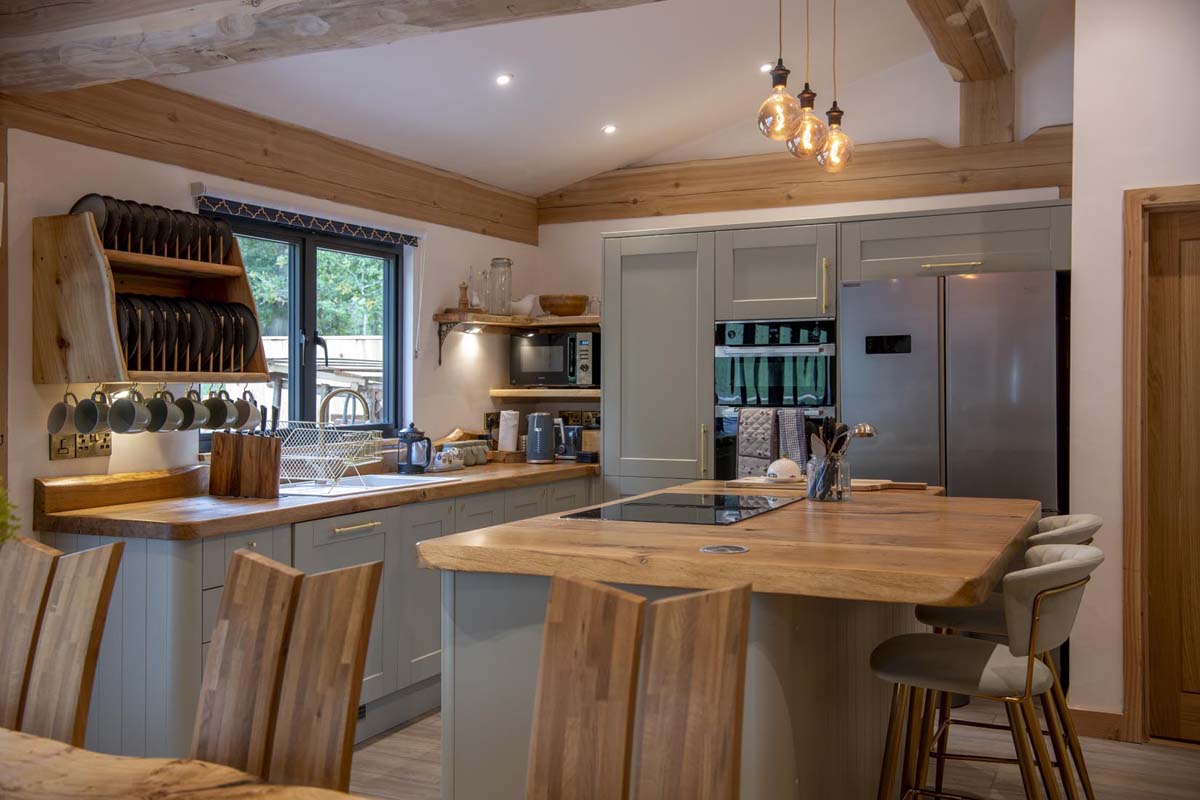
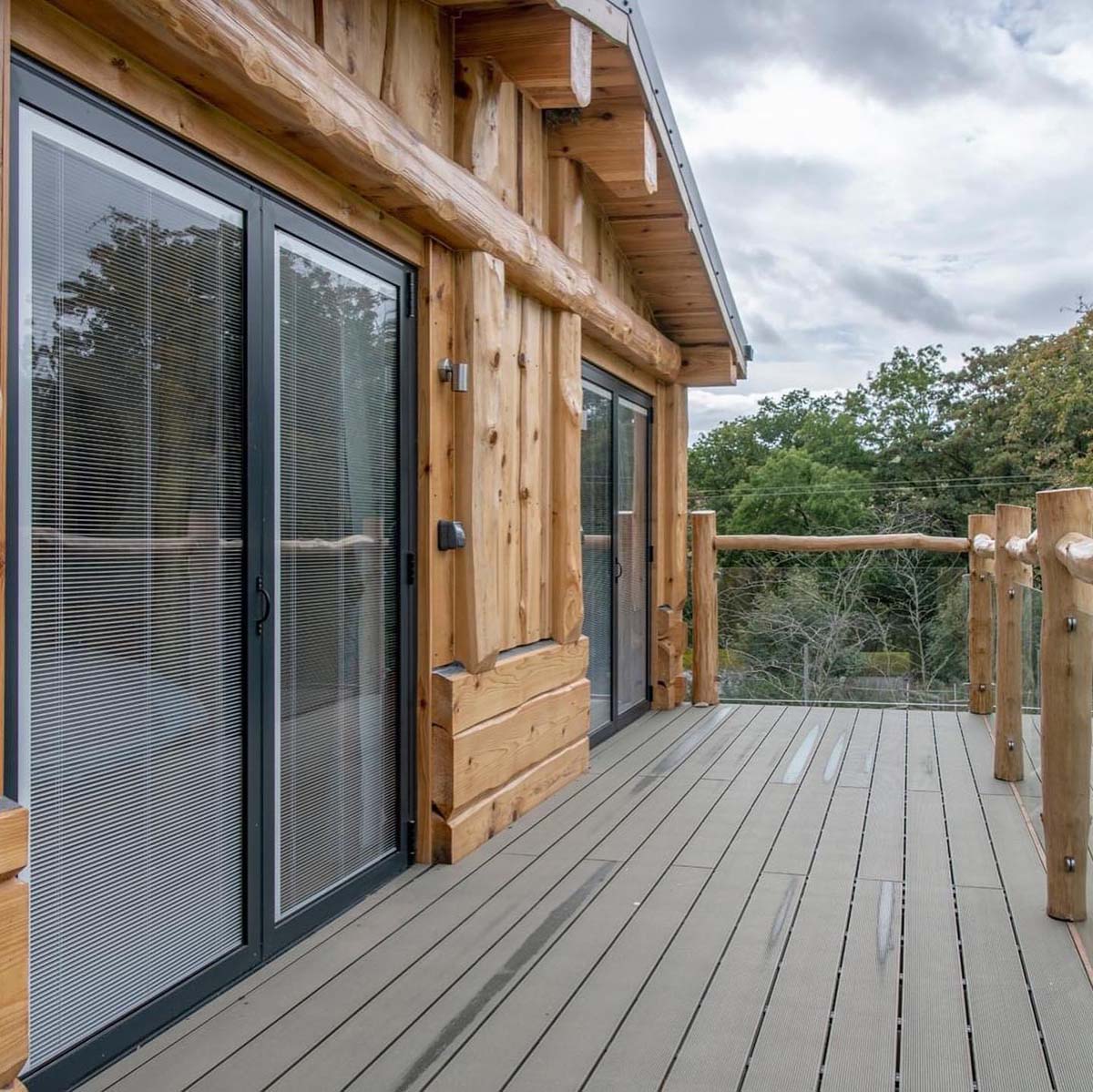
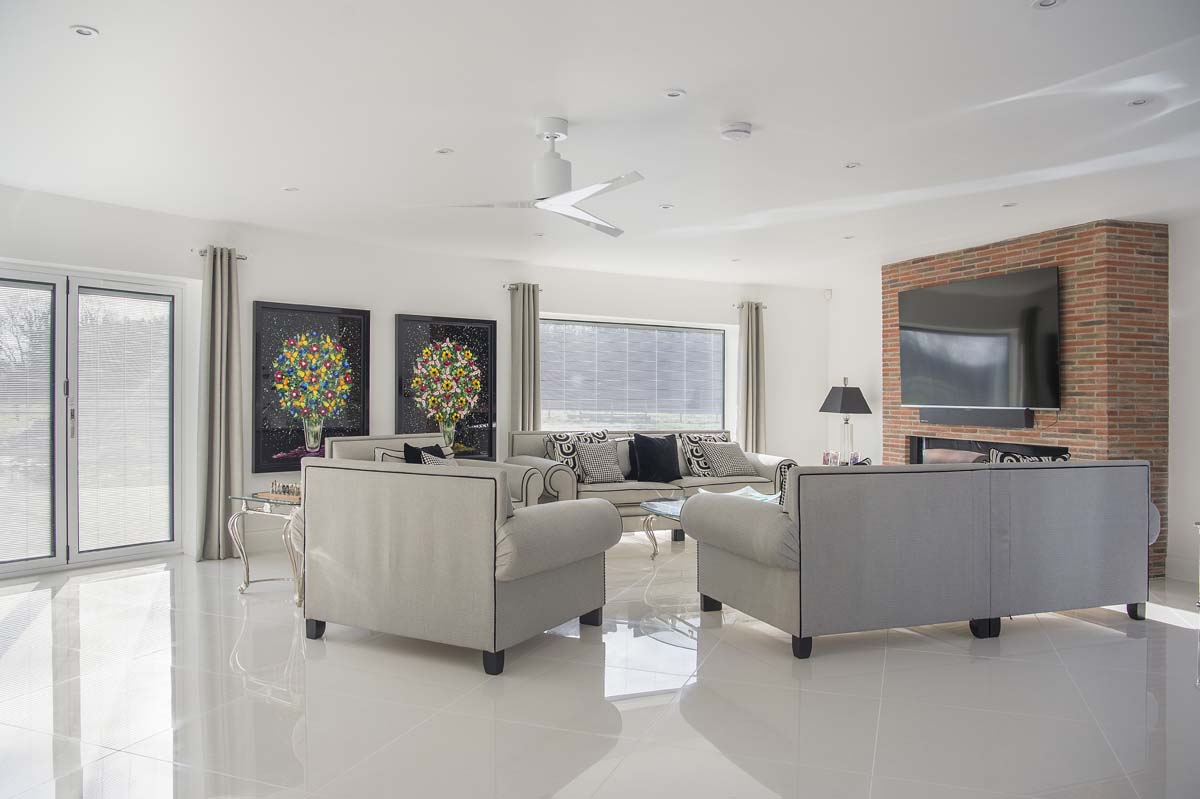
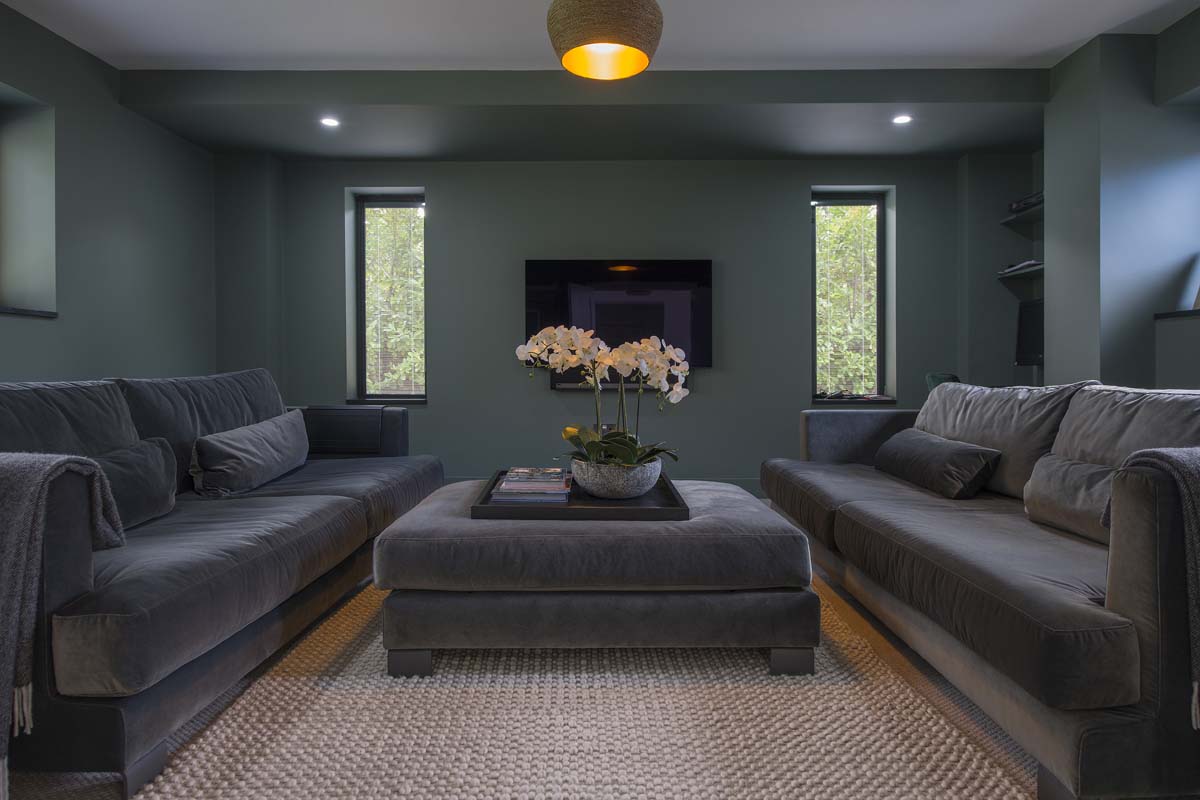
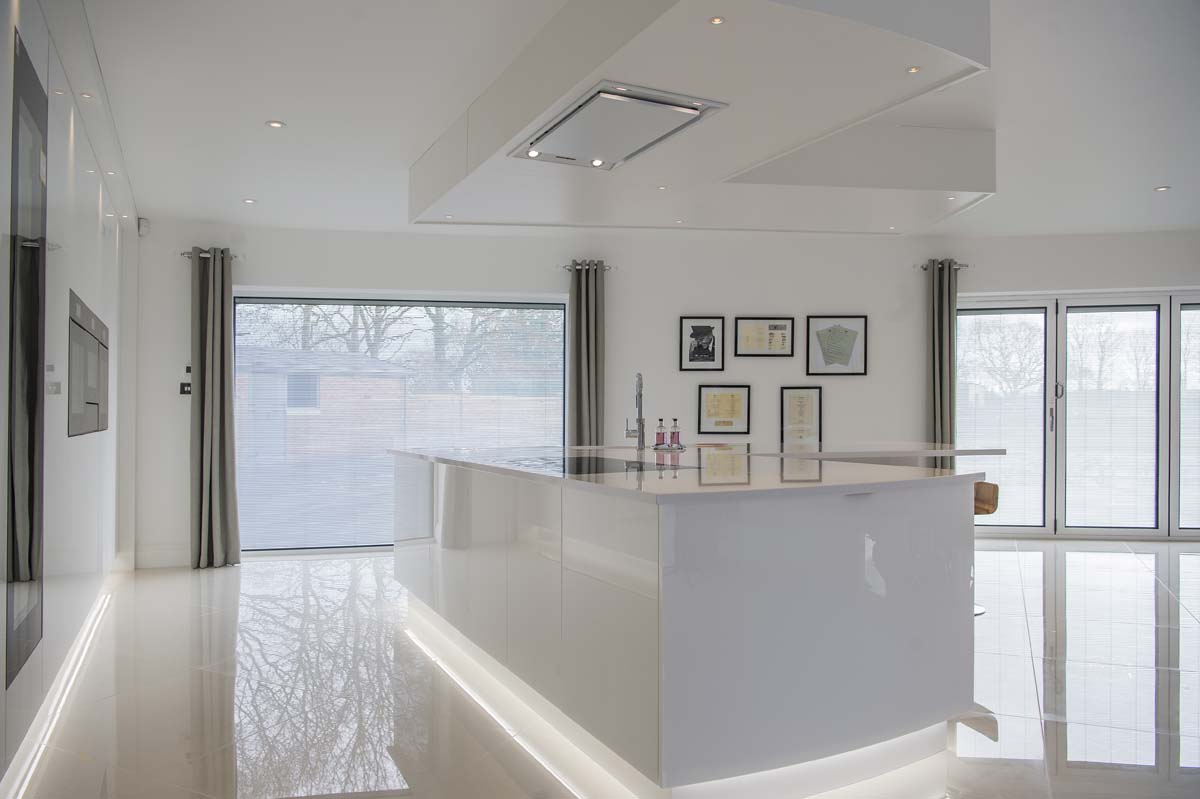
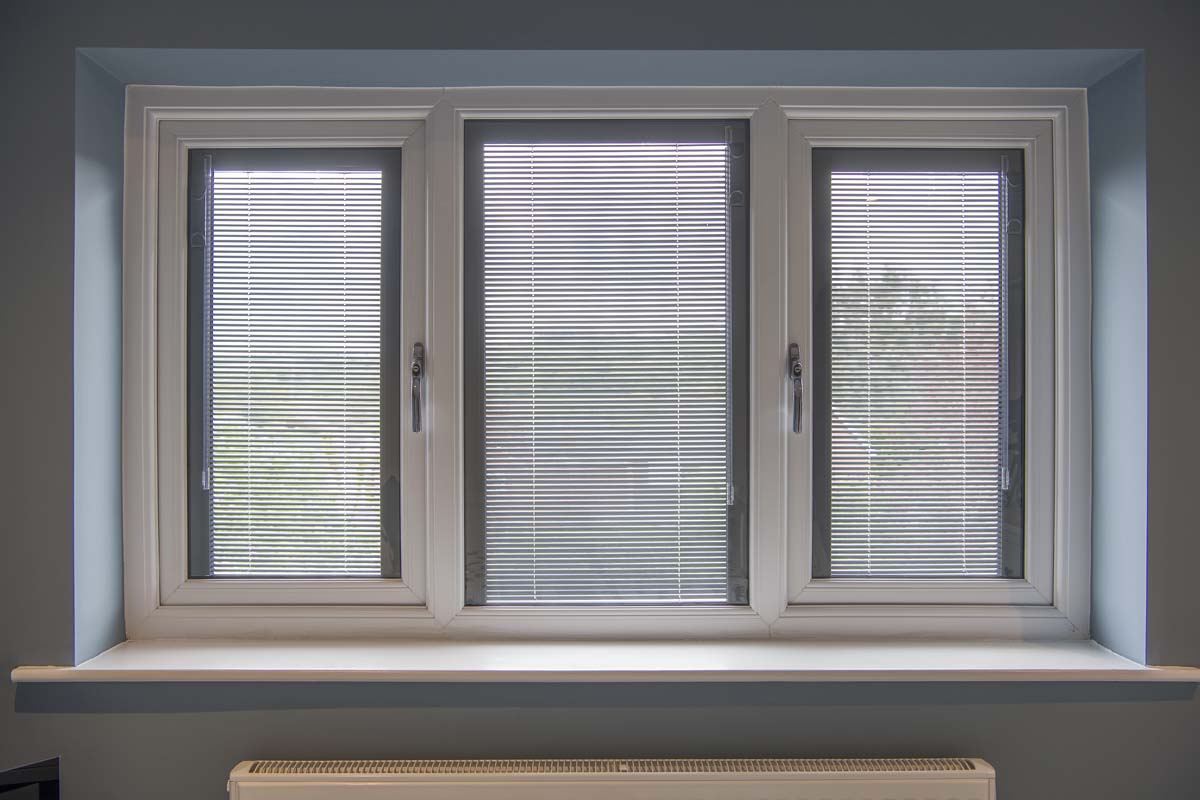
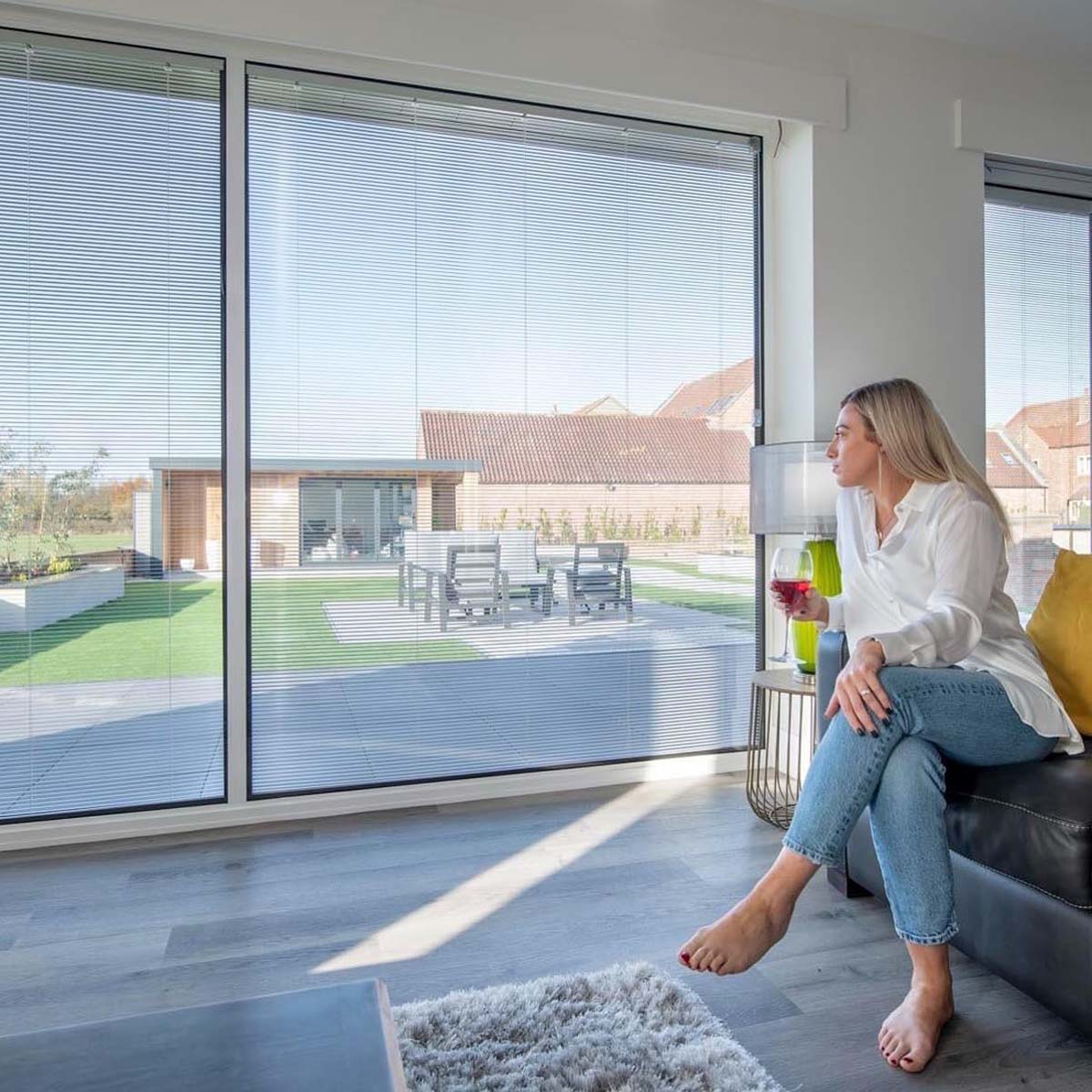
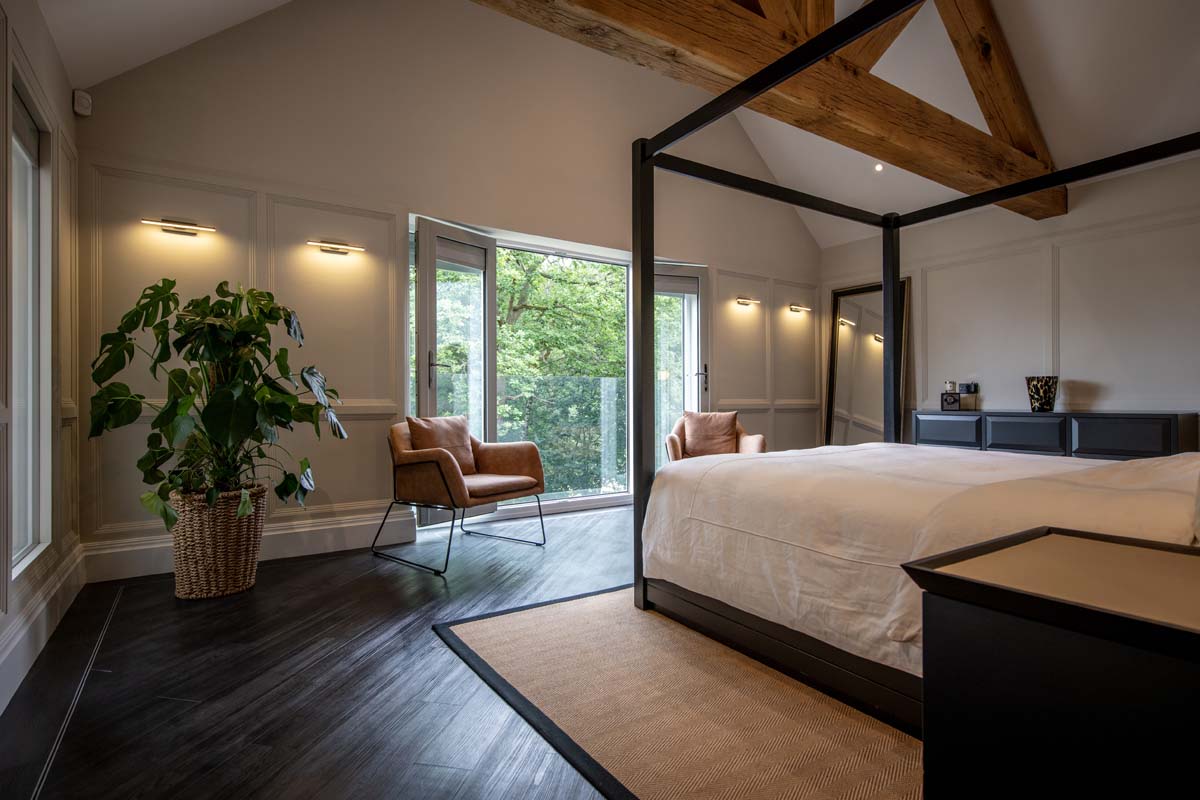
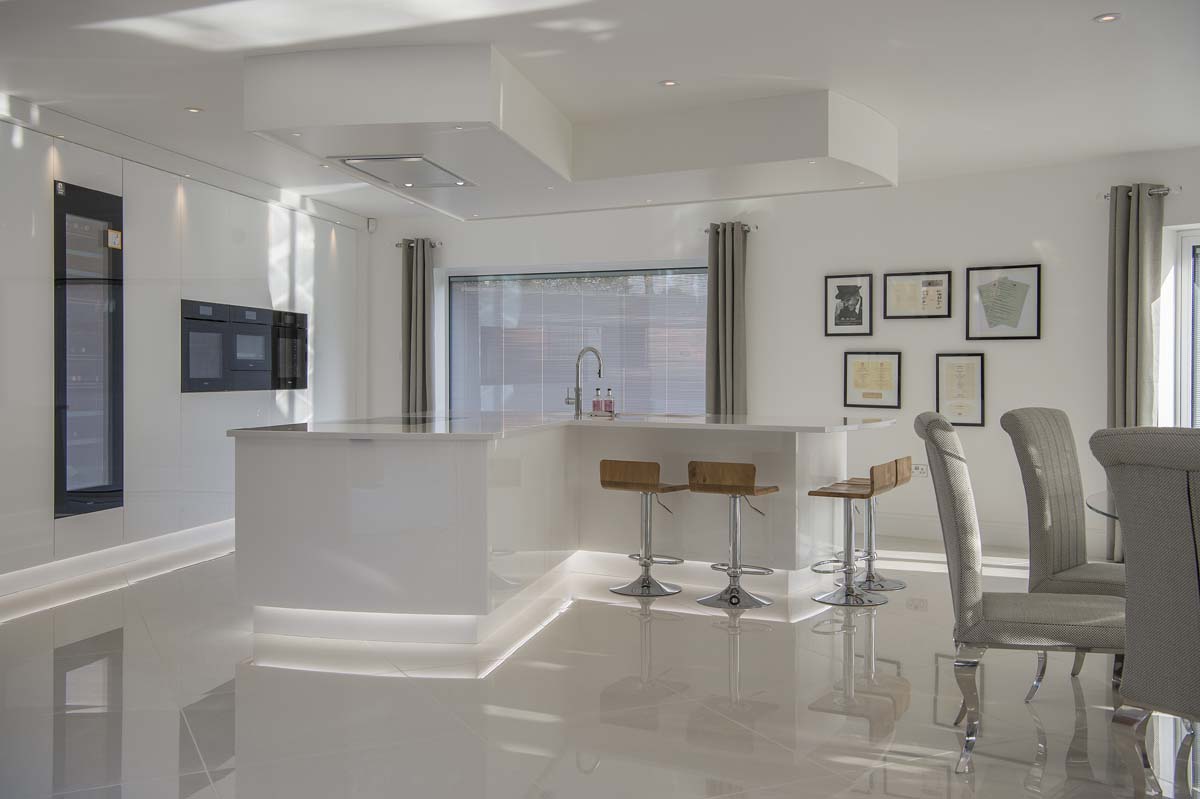
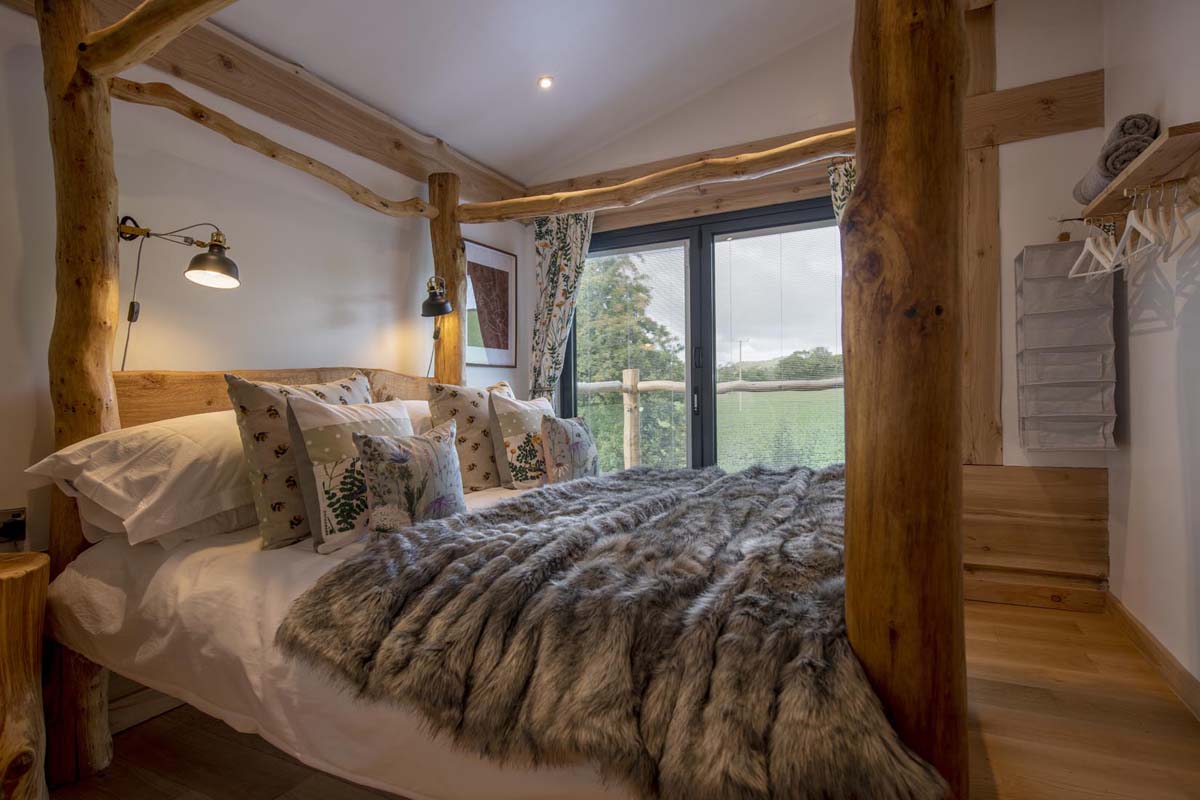
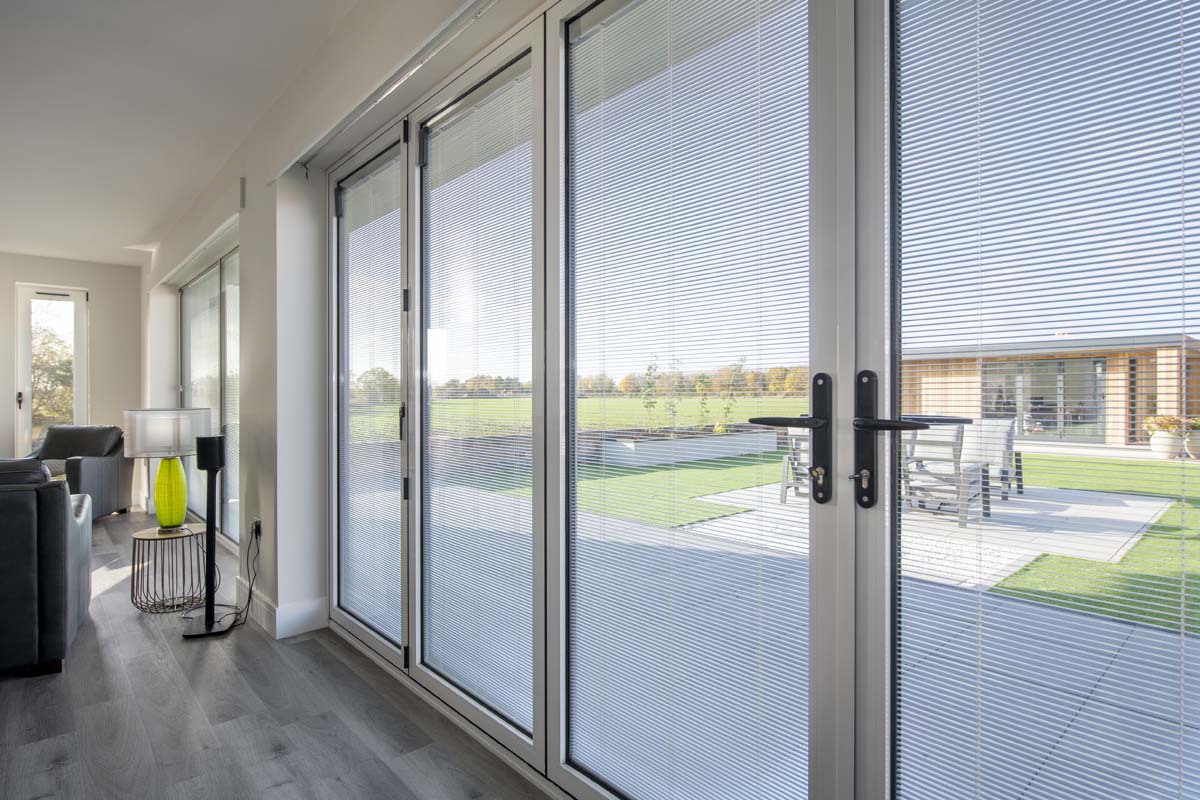
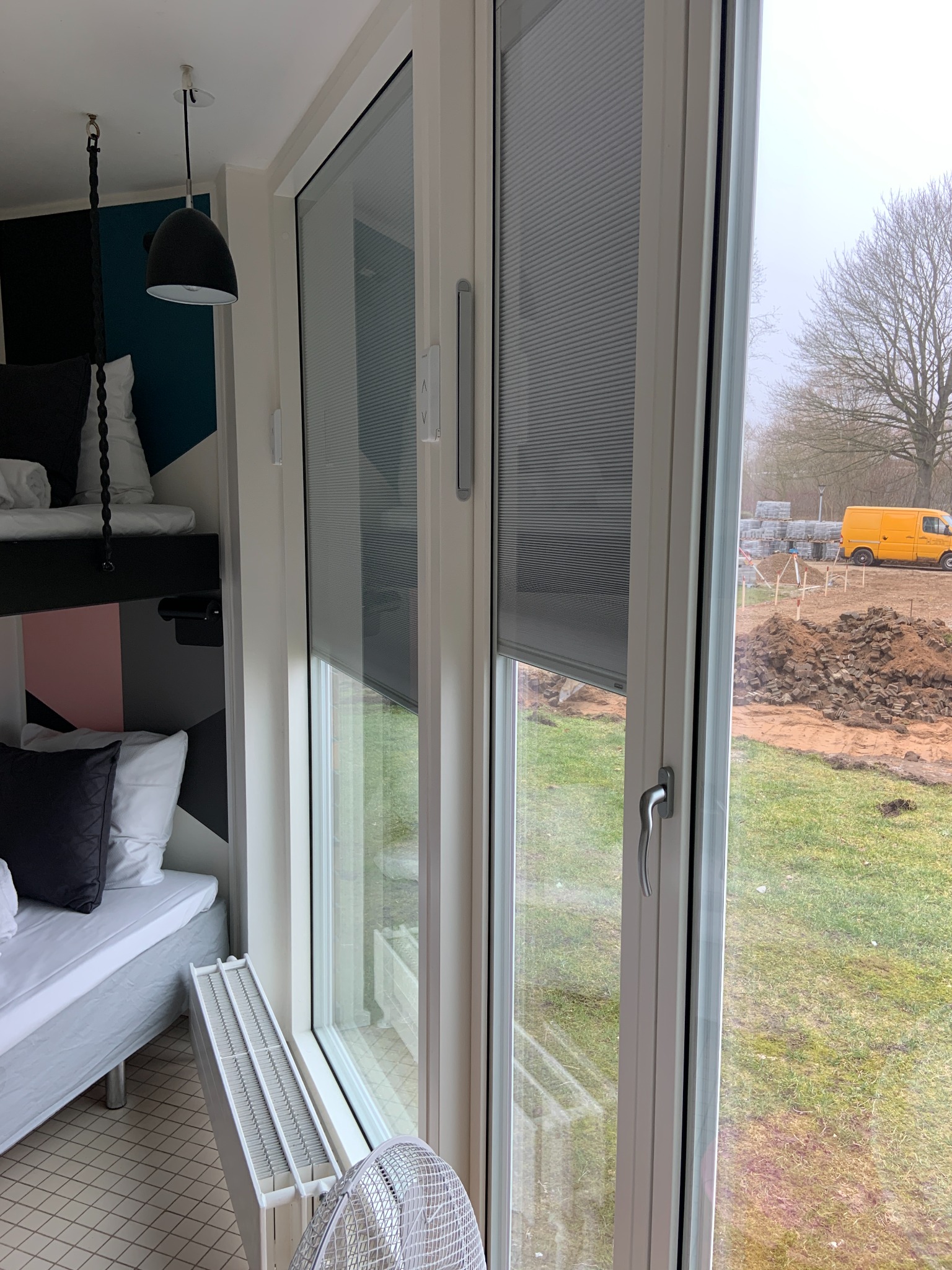
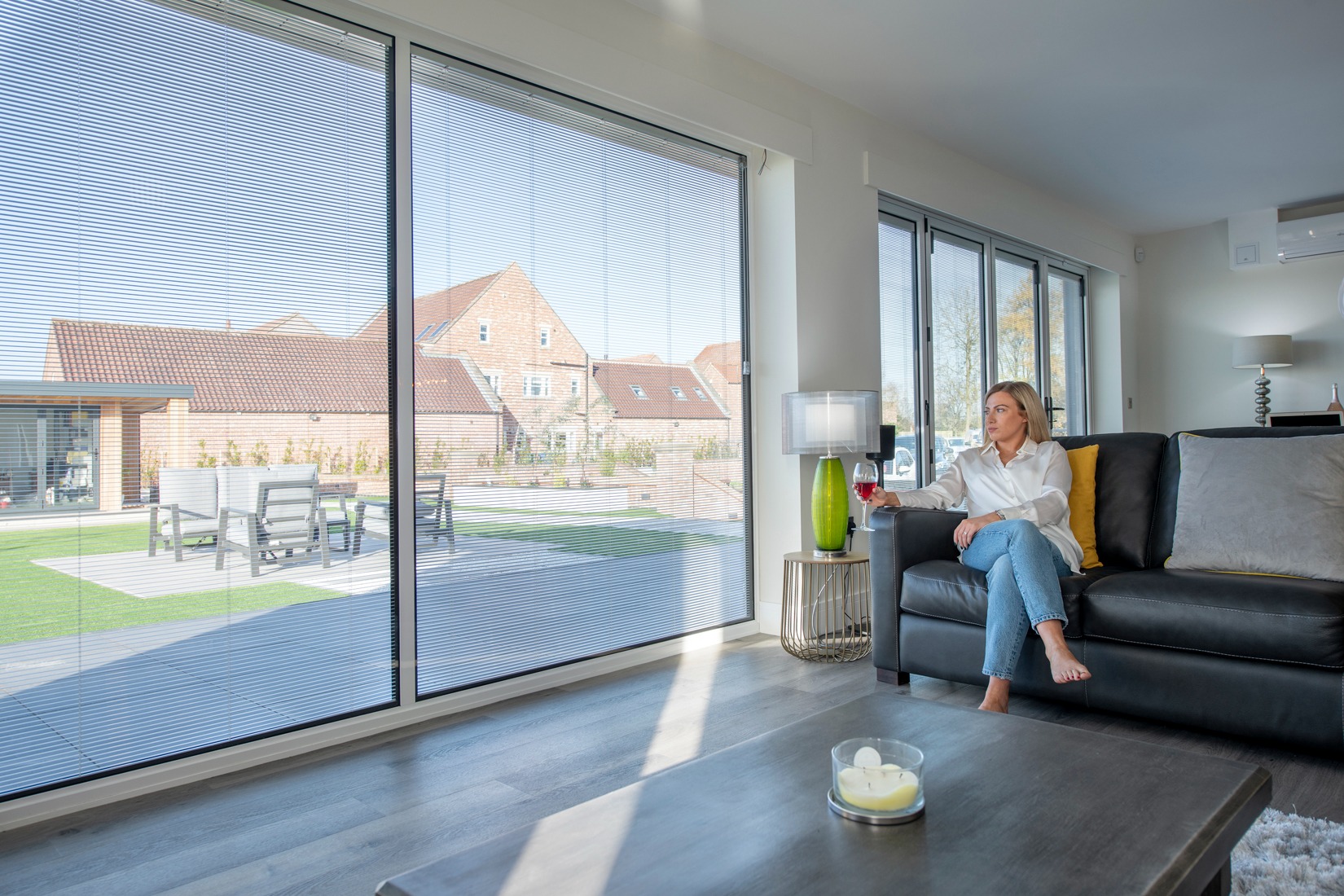
Living rooms, kitchens, bedrooms and bathrooms each call for a different balance of daylight and privacy. Integrated blinds can be used in windows and glazed sliding doors to adjust light and views throughout the day. Where privacy is needed, they offer an alternative to permanently frosted glass: close the blind for screening, or open it to enjoy clear glass and natural daylight.